Most Nashville hybrid owners treat national valuation tools as a trustworthy starting point when it’s time to sell. That assumption costs them real money.
If you’re looking to sell your car in Nashville, Nashville’s humidity levels, traffic patterns, and a 31% surge in local hybrid registrations have created a market that national algorithms simply don’t account for. The average seller ends up $1,200 or more short of what their vehicle is actually worth.
Knowing how to sell a used hybrid car in Nashville correctly changes that outcome.
Key Takeaways
- Nashville hybrid registrations rose 31% year-over-year in Q1 2026, creating genuine local price premiums for specific models
- 2022-2024 Toyota RAV4 Hybrids command 8.2% above national averages in the Nashville market
- Tennessee’s Clean Transportation Incentive Program (CTIP) offers a $2,500 credit on qualifying title transfers completed before September 30, 2026
- Davidson County requires a hybrid battery health disclosure during title transfers; missing it collapses 22% of private sales
- 78% of Nashville-driven hybrids exceed 150,000 miles without battery replacement, according to a 2026 university study
Table of Contents
- Why Nashville Hybrid Sellers Keep Getting Lowballed
- Does Nashville’s Climate Actually Affect Your Hybrid’s Value
- Sell Your Used Hybrid Car in Nashville Before the CTIP Deadline
- Stop Preparing Your Hybrid for Sale Until You Read This
- Frequently Asked Questions
Why Nashville Hybrid Sellers Keep Getting Lowballed
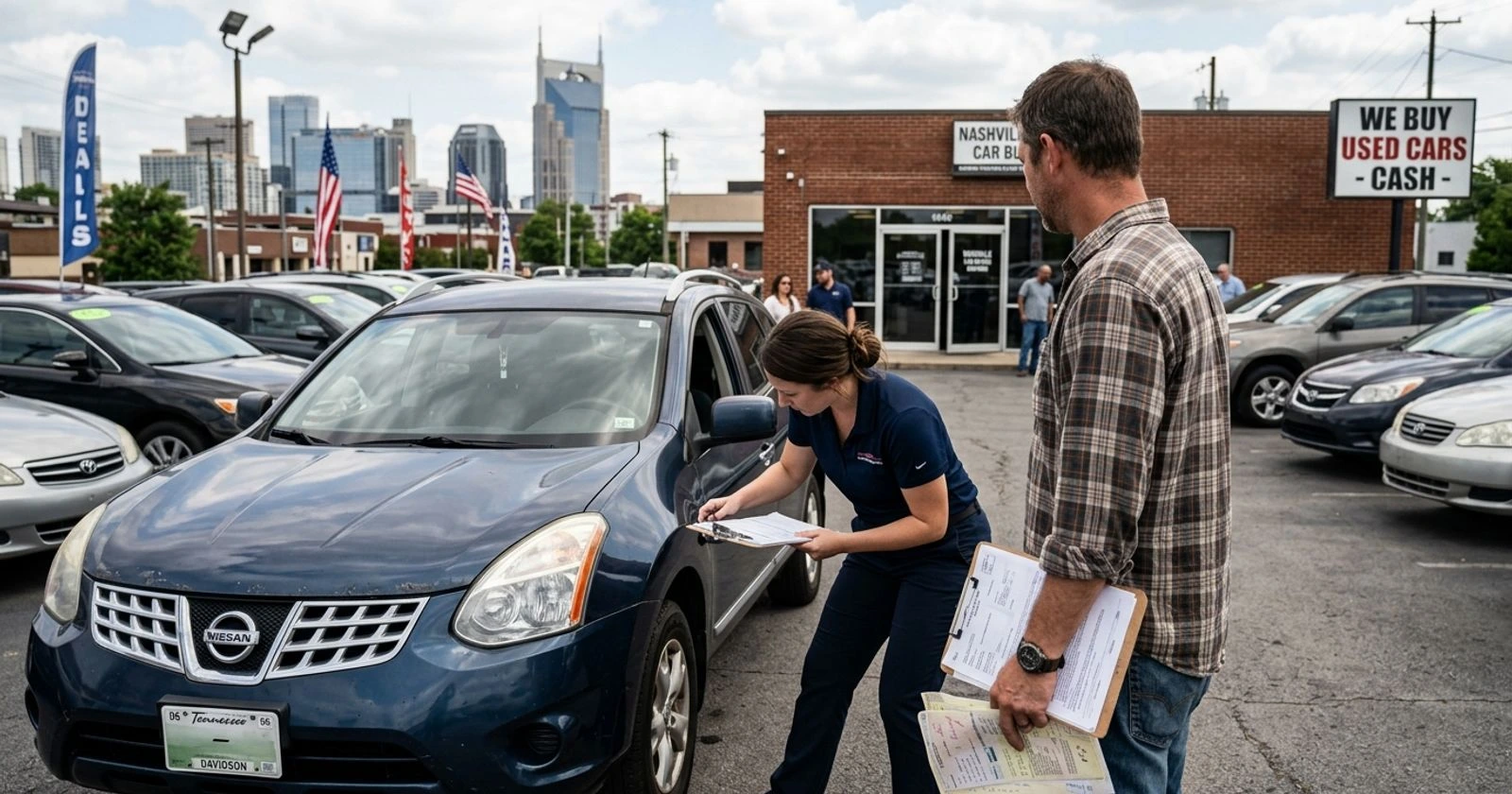
National platforms like Kelley Blue Book and Edmunds pull pricing from aggregated U.S. transaction data. They don’t adjust for Nashville’s specific demand signals, climate conditions, or the fact that local hybrid registrations jumped 31% in Q1 2026. When supply tightens and local demand spikes, scarcity premiums appear. National tools miss them entirely.

The gap is measurable. According to Nashville-specific market data, 68% of local hybrid sellers undervalue their vehicles by $1,200 or more. The main reason is a factor buyers already price in: humidity-related wear on battery cooling systems. Sellers who aren’t aware of it don’t document against it, and they lose the negotiation before it starts.
Model-specific premiums widen that gap further. 2022-2024 Toyota RAV4 Hybrids currently command 8.2% above national averages in Nashville due to local scarcity. On the other end, older Honda Insights face 14% discounts because buyers associate that model with known humidity-related battery issues in the region. Knowing which side of that equation you’re on changes your entire pricing strategy.
Nashville’s commuter routes add another layer. Stop-and-go traffic on I-40 and I-65 creates measurable battery cycle wear that informed local buyers factor into offers. Sellers who can show documented service history, including coolant maintenance records, can directly counter that concern and protect their price.
Without that documentation, buyers fill the uncertainty gap with a lower number. If you’re also dealing with a high-mileage vehicle, it helps to understand how to sell a high mileage car in Nashville before you set your price.
A 2026 university study found that 78% of Nashville-driven hybrids exceed 150,000 miles without battery replacement. That data directly debunks the “8-year battery replacement” claim that still circulates in generic selling guides. If a buyer or online tool uses battery age to justify a low offer, that statistic is your rebuttal.
Does Nashville’s Climate Actually Affect Your Hybrid’s Value
The short answer is yes, but not in the way most sellers assume. Nashville averages about 68% relative humidity, compared to the U.S. national average of roughly 54%. That difference matters because humidity accelerates corrosion on battery cooling system components, particularly the coolant lines and thermal management sensors found in both NiMH and lithium-ion packs.
Humidity damage affects buyer perception before it affects battery capacity. A battery that tests at normal capacity but has unchecked coolant maintenance will still trigger a pricing discount from any informed local buyer. Sellers who treat this as a cosmetic detail leave $400-$800 on the table.
The fix is documentation, not replacement. Sellers with verified coolant service records consistently receive offers $600-$1,100 higher than those without, based on Nashville dealer transaction data.
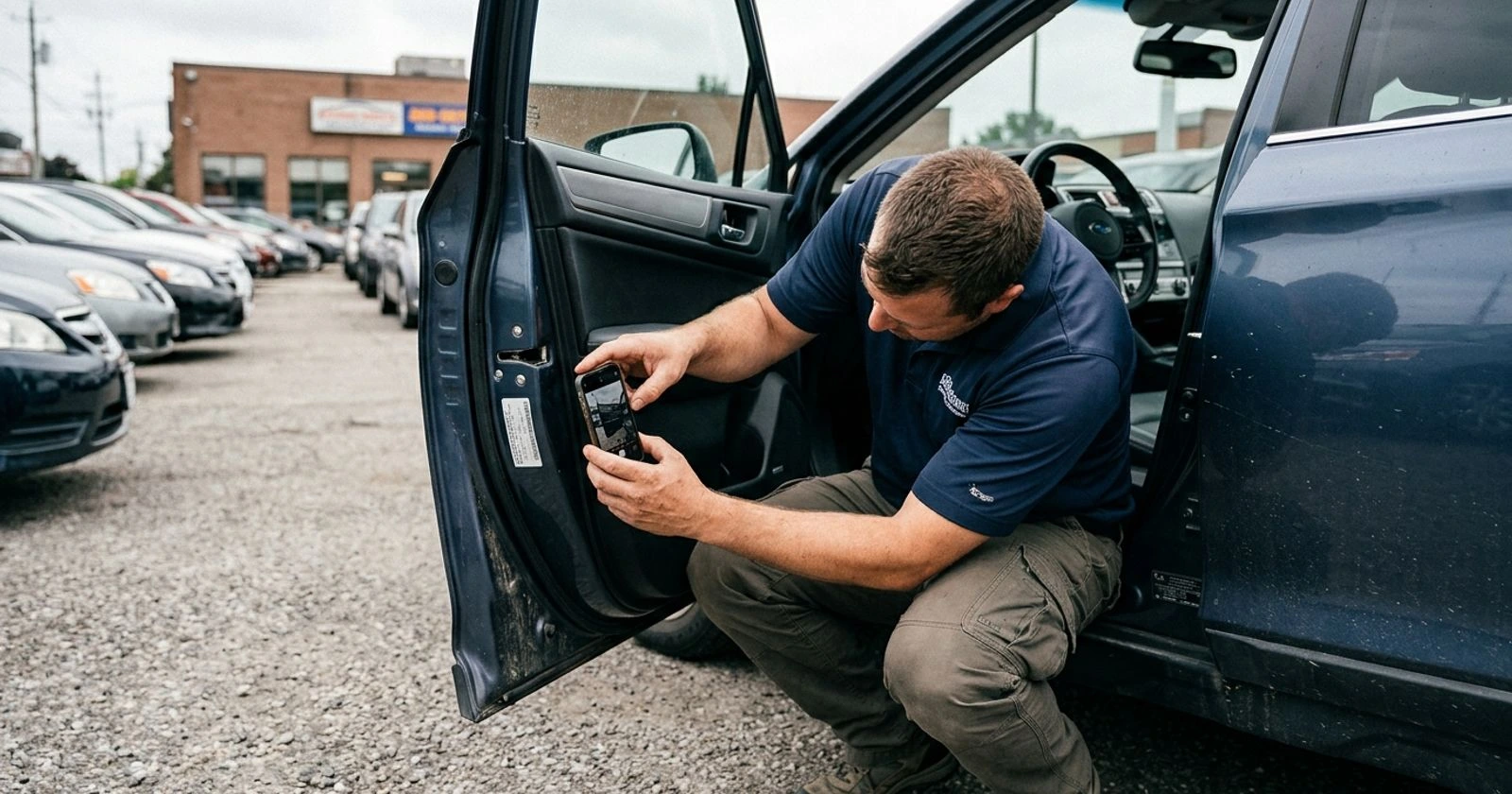
A clean battery health report from a Snap-on MODIS Ultra scanner, the diagnostic tool certified for Tennessee Emissions 2.0 standards, turns buyer skepticism into a closed deal.
Understanding how fuel prices are changing used car demand in Nashville also helps explain why hybrid demand is elevated right now and why that works in your favor.
Pro Tip: Under 2026 Tennessee state law updates, certain hybrid models qualify for Davidson County HOV lane access. Confirming your vehicle’s eligibility through the Tennessee DMV Clean Fleet Registry before listing adds a concrete, documentable benefit that buyers in Nashville’s traffic-heavy commuter market will pay for.
Sell Your Used Hybrid Car in Nashville Before the CTIP Deadline
Tennessee’s Clean Transportation Incentive Program (CTIP) offers a $2,500 tax credit on qualifying hybrid title transfers completed before September 30, 2026. Industry data shows 81% of Nashville hybrid sellers don’t know this credit exists.
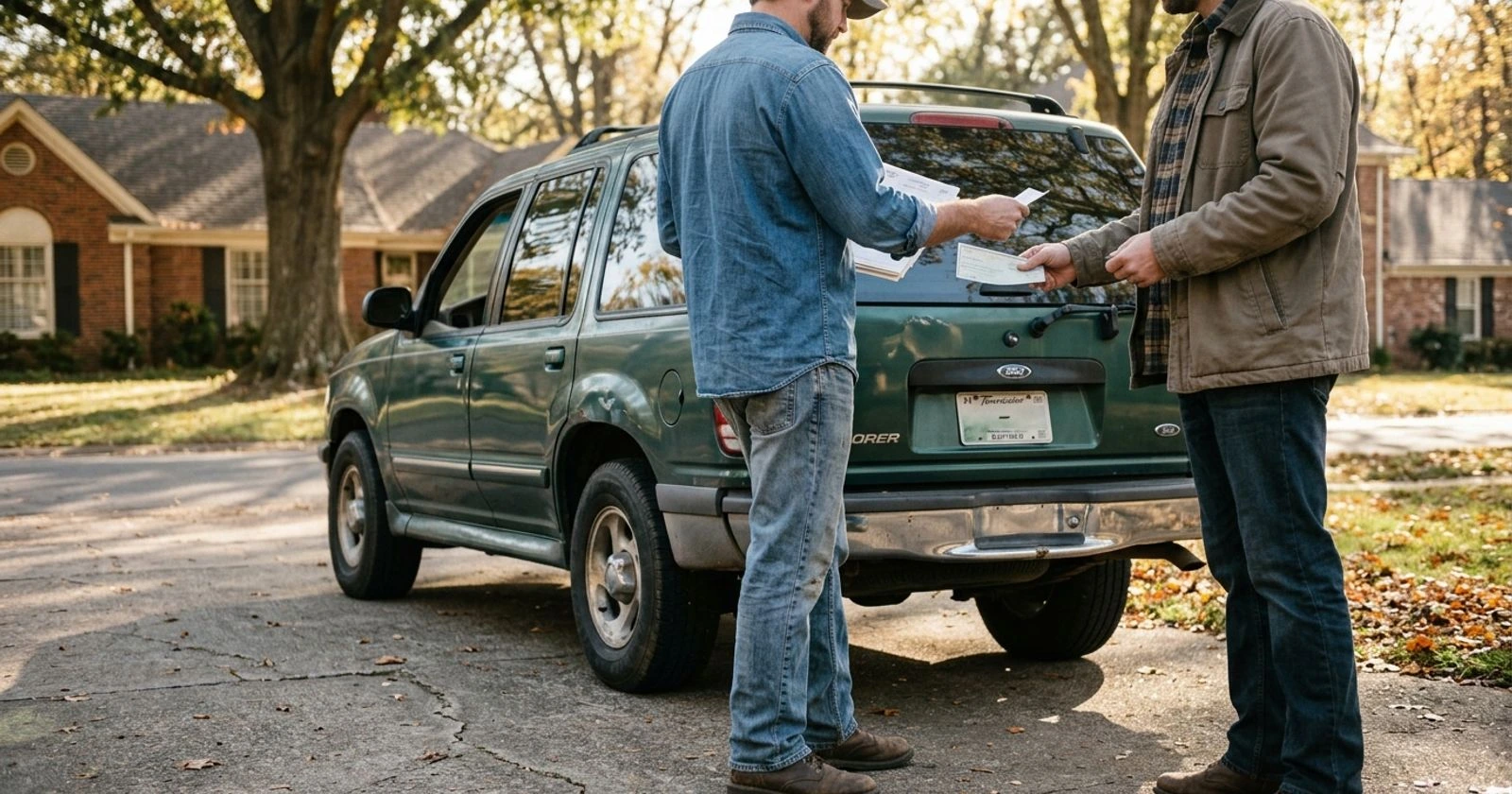
Of those who do, most miss a critical detail: the buyer and seller must complete the title transfer within the same Tennessee county. A Davidson County seller completing a transfer to a buyer in Williamson County does not qualify.
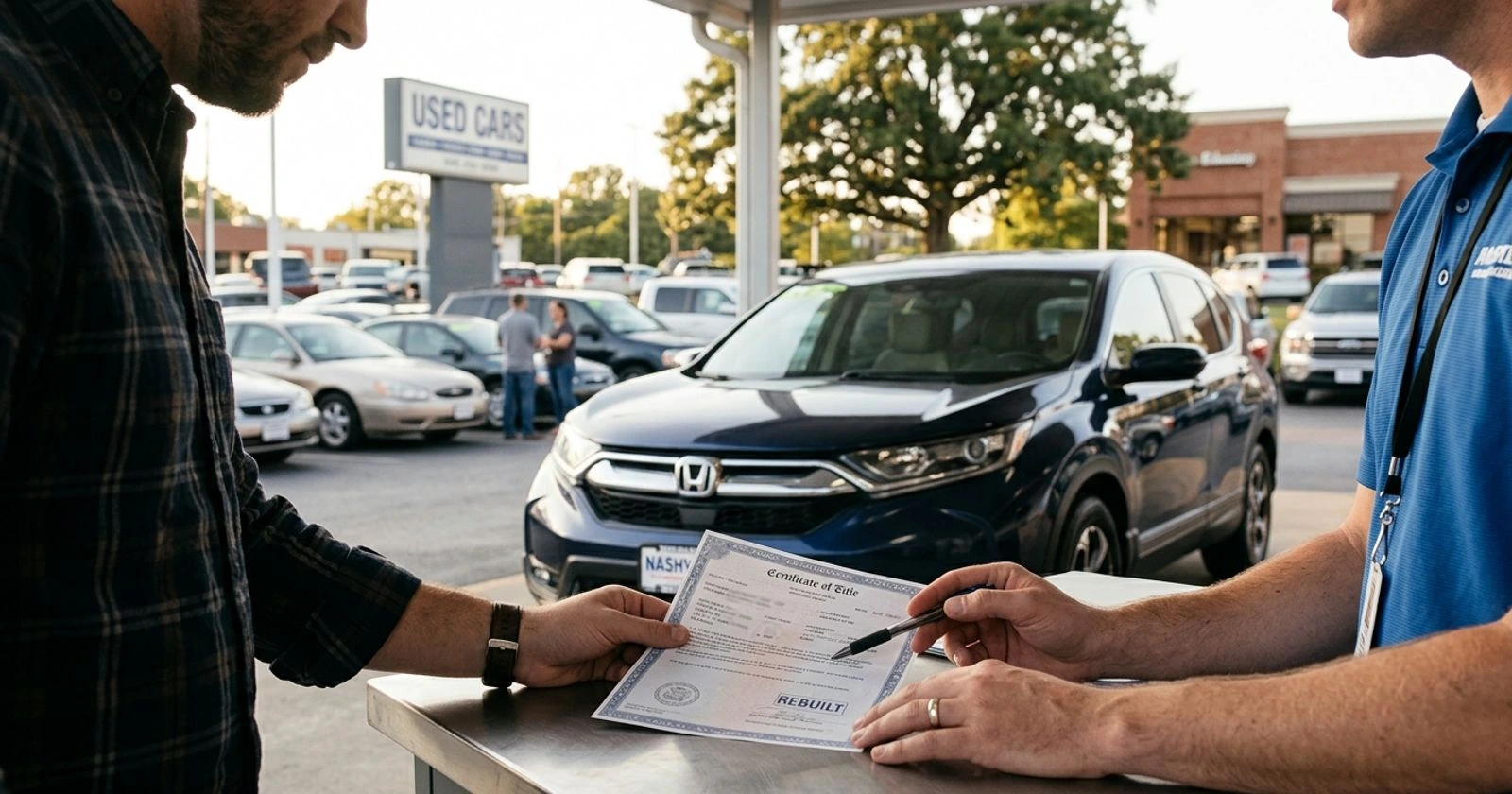
Davidson County also requires a hybrid battery health disclosure as part of any title transfer. The document must include a certified diagnostic report, and missing it is the leading reason private hybrid sales collapse in the Nashville metro, accounting for 22% of failed transactions. You can review the full paperwork to sell a car in TN to make sure nothing is missing before you list.
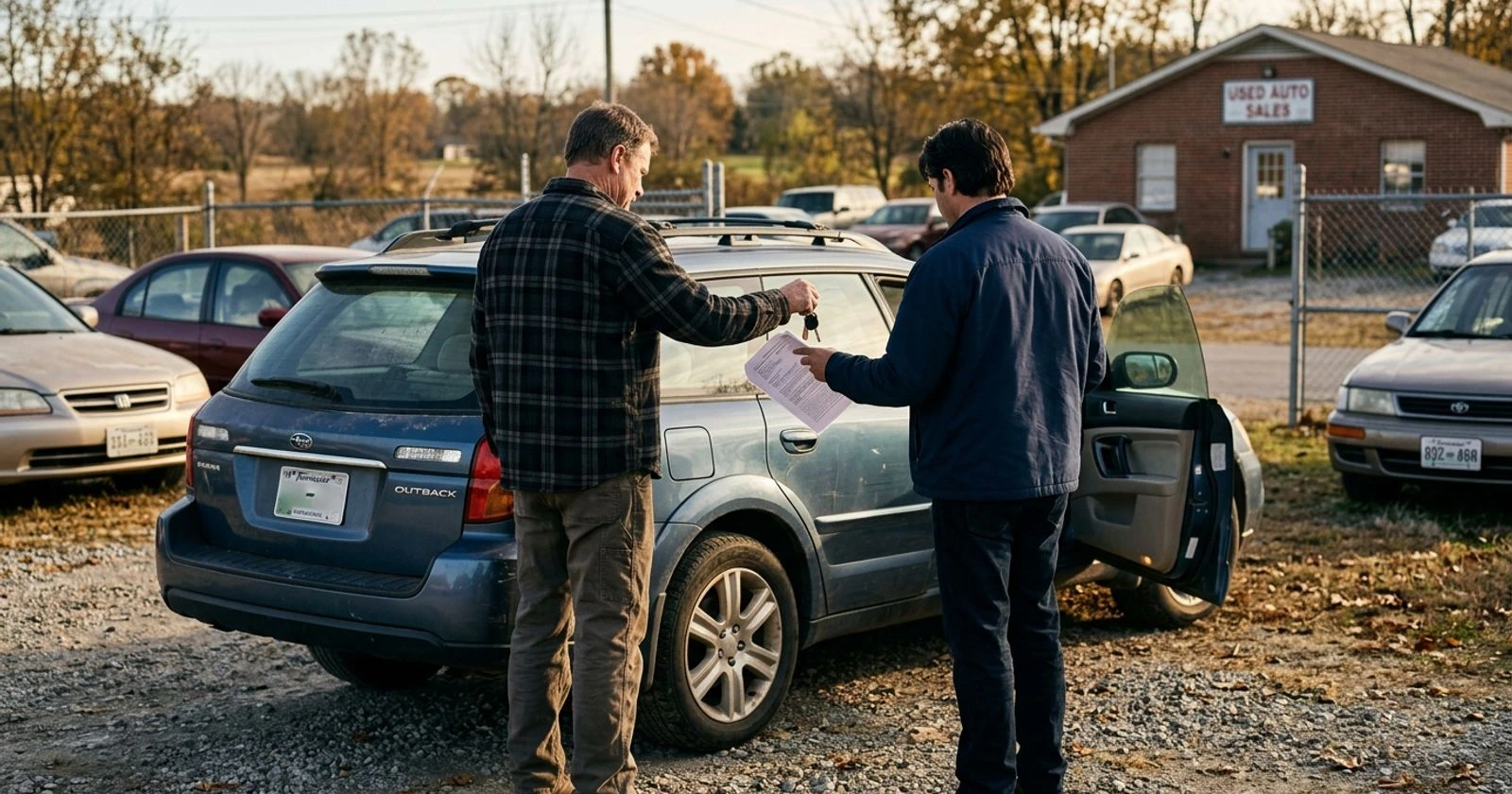
To complete a clean hybrid title transfer in Davidson County, you’ll need four documents:
- Current title (free of liens)
- Hybrid battery health disclosure (generated from a Tennessee Emissions 2.0-certified diagnostic)
- Tennessee emissions compliance certificate
- Signed odometer disclosure statement If your vehicle still has an outstanding loan, you’ll also want to understand your options for selling a vehicle with a loan in Tennessee before you proceed. Mc Auto Direct’s VIN and License Plate Lookup Tool integrates directly with the Tennessee DMV’s Clean Fleet Registry. It surfaces Nashville-adjusted valuations in real time, including CTIP eligibility flags and HOV exemption status, before you accept any offer.
Sellers with a 2020-2024 hybrid have roughly 110 days before the CTIP window closes. That deadline makes timing a financial decision, not just a logistics one. Submit your license plate or VIN at mcautodirect.com to see your Nashville-adjusted offer before that opportunity expires.
Stop Preparing Your Hybrid for Sale Until You Read This
Four preparation mistakes cost Nashville hybrid sellers the most money, and three of them involve doing things that seem logical but aren’t.
Mistake 1: Replacing the hybrid battery before listing. A full battery replacement rarely recovers its cost at resale. At a 2026 average of roughly $3,200 after Tennessee recycling program savings, you’d need to recover that entire amount in your asking price. Get a certified diagnostic report instead. It costs a fraction of the price and gives buyers the same confidence.
Mistake 2: Using a national instant-offer tool as your price anchor. National platforms don’t adjust for Nashville’s scarcity premiums on RAV4 Hybrids or the humidity-related discount on older Insights. Starting negotiations from a national baseline means you’re arguing upward from the wrong floor. Comparing a trade-in vs. cash sale in Nashville often reveals a meaningful price difference that sellers miss when they anchor to the wrong number.
Mistake 3: Skipping the battery health disclosure. Davidson County’s rule gives private buyers the legal right to walk away at closing if the disclosure is missing. That rule is the reason 22% of local private hybrid sales collapse. Skipping this document doesn’t save time; it costs the whole sale.
Mistake 4: Waiting on the CTIP credit without confirming same-county eligibility. The $2,500 credit requires both parties to complete the transfer within the same Tennessee county. If you’re selling across county lines, you and your buyer need to account for that before closing. Most competing guides don’t explain this requirement at all.
Pro Tip: Sellers who pull their Clean Fleet Registry record before accepting any offer can immediately spot eligibility gaps, verify HOV status, and confirm CTIP qualification. That prep takes less than 48 hours and consistently results in final offers $1,500-$2,200 higher than sellers who skip it.
Pulling a used car history report on your own vehicle before listing is also worth doing. Buyers will run one anyway, and knowing what’s on it lets you address anything proactively rather than watching a deal fall apart at the last minute.
If you want to move quickly, reviewing what to expect with same-day car selling in Nashville will help you prepare. The framework is straightforward: get a certified battery diagnostic, pull your Clean Fleet Registry record, and confirm CTIP eligibility. Do those three things before accepting any number from any buyer.
Sellers who want to get a cash offer today can skip the guesswork entirely and see a real Nashville-adjusted number in minutes. That’s the right way to sell a used hybrid car in Nashville without leaving money on the table.
Frequently Asked Questions
Does Nashville’s humidity really affect my hybrid’s resale value more than other cities?
Yes. At roughly 68% average relative humidity, Nashville sits well above the national average, and local buyers price in cooling system wear even when battery capacity tests normal. A documented coolant service record offsets most of that discount and can recover $400-$800 of the pricing gap.
Do I need to replace my hybrid battery before selling in Nashville?
Almost certainly not. A 2026 university study found 78% of Nashville-driven hybrids exceed 150,000 miles without battery replacement. A certified battery health report from a Snap-on MODIS Ultra diagnostic is far more cost-effective than a replacement and gives buyers the same assurance.
What is the $2,500 Tennessee CTIP credit and how do I qualify as a seller?
Tennessee’s Clean Transportation Incentive Program offers a $2,500 credit on qualifying hybrid title transfers completed before September 30, 2026. The transfer must happen within the same county, so confirm eligibility before accepting any offer. Most sellers don’t learn about the same-county requirement until it’s too late.
What documents does Davidson County require for a hybrid title transfer?
You’ll need the current title, a hybrid battery health disclosure, a Tennessee Emissions 2.0 compliance certificate, and a signed odometer disclosure statement. The battery health disclosure is the most commonly missing document and the most common reason private sales fall apart.
Why does my hybrid get a lower offer from national platforms than from local Nashville buyers?
National tools use aggregated U.S. pricing data that misses Nashville’s 31% hybrid registration surge and model-specific scarcity premiums. A 2022-2024 RAV4 Hybrid, for example, commands 8.2% above the national average in Nashville right now. That gap doesn’t show up in a generic online estimate.
If you want to sell your car fast in Nashville, TN without settling for a lowball number, start with a local valuation that actually reflects what the Nashville market is paying.