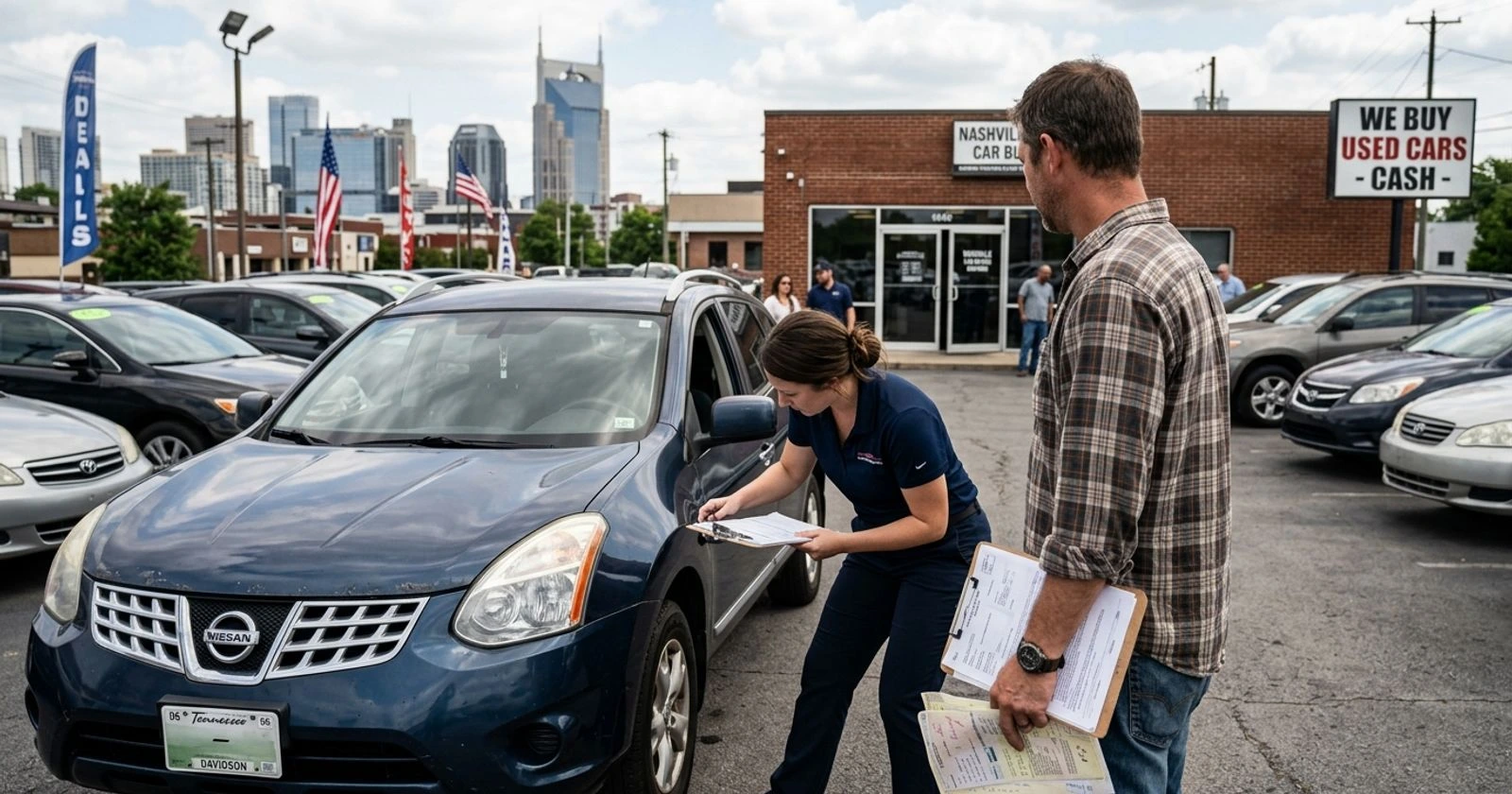
What if the repair you’re about to pay for actually reduces your net profit from the sale? Almost every guide on how to sell a car needing repairs in Nashville skips the math entirely. Most sellers find out they made the wrong call long after the deal is done. Mc Auto Direct sees this pattern constantly, and the fix is simpler than most people think.
Quick Summary
- Fixing a car before selling it often costs more than it adds to your final offer
- Direct buyers evaluate damaged vehicles differently than retail-focused buyers
- Tennessee’s as-is sale process takes under an hour to prepare
- Knowing your car’s scrap value, wholesale price, and retail-minus-repair cost gives you real negotiating power
- Submitting your VIN or license plate online gives you a baseline offer before you talk to anyone
What Nashville Sellers Get Wrong About Repair Costs
The standard advice sounds reasonable: fix the obvious problems, clean the car, get a better price. The logic feels solid. It’s also frequently wrong.
Here’s the formula most guides skip. Take the cost of the repair, then check how much that repair actually adds to your final offer. In Nashville’s 2026 used car market, those two numbers rarely match.
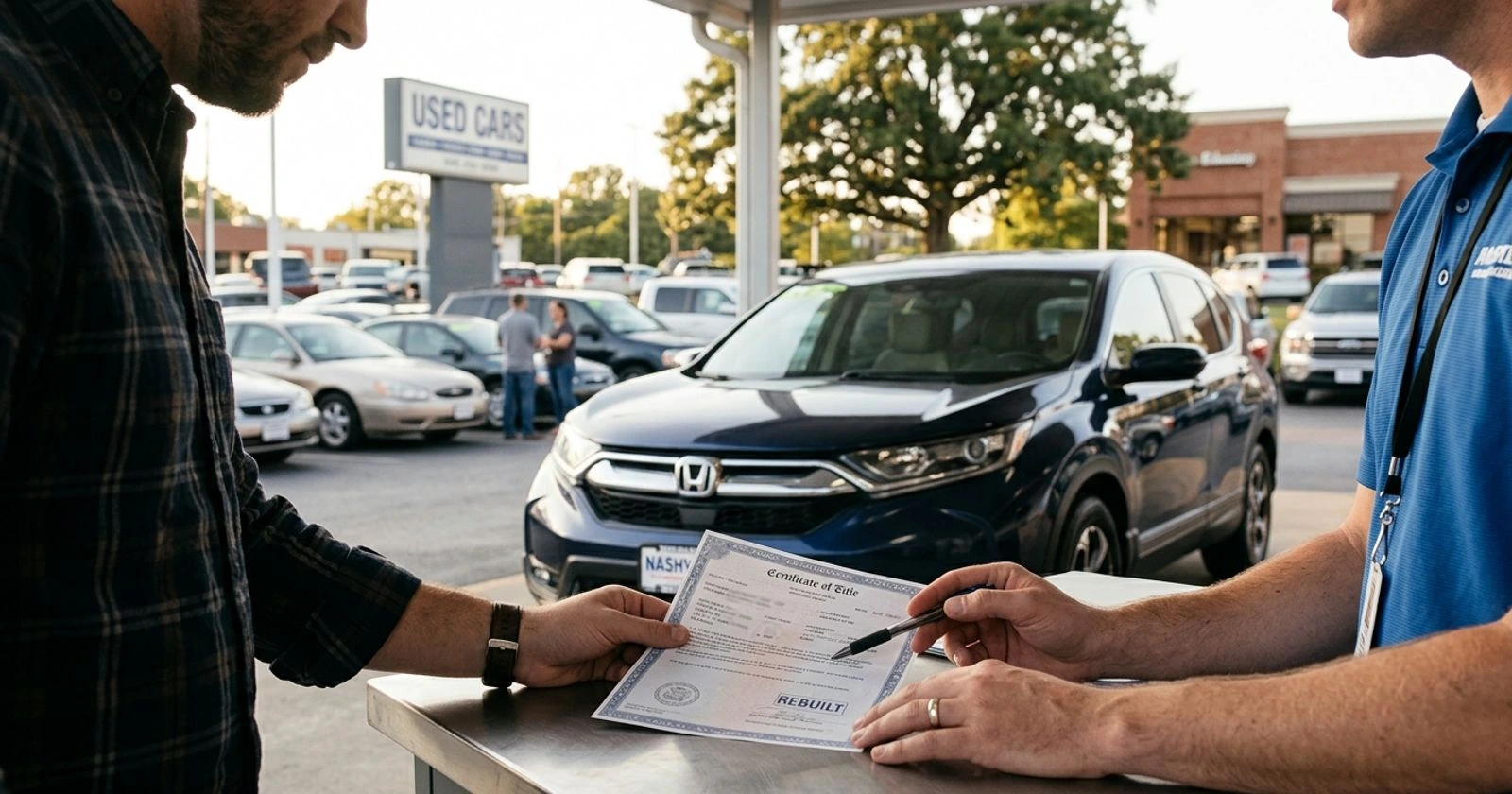
Consider a real scenario: a 2018 Honda Civic with a failed catalytic converter. In Middle Tennessee, replacing a catalytic converter typically runs between $900 and $1,400 for parts and labor. A seller who fixes it before listing expects to recover that full cost.
But a direct buyer who inspects the car afterward adjusts their offer by a smaller margin, because they price against wholesale market value, not retail sticker price. If you’re also dealing with high mileage on top of mechanical issues, the math gets even less favorable for repair-first strategies.
Key Details on You can read more about
You can read more about how that plays out when you sell a high mileage car in Nashville’s current market.
The repair ROI math:
- Repair cost: $1,100
- Offer increase after repair: $600
- Net loss from repairing: $500 That $500 gap is what most sellers never account for. They think in terms of “the car is worth more fixed,” which is true at retail.
But most sellers aren’t selling at retail. They’re selling to a buyer who then sells at retail, and that buyer prices in their own reconditioning margin on top.
Nashville’s 2026 market prices mechanical issues differently than cosmetic damage. A car with a cracked bumper reads as a quick, predictable fix for buyers. A car with a transmission issue reads as risk, and buyers price risk conservatively regardless of the actual repair cost.
There is one exception. Safety-related repairs, specifically brake failures, broken lights, or inspection-failing defects, do improve offers from direct buyers. These items affect drivability and legal compliance. Buyers factor them in more aggressively than they factor in drivetrain wear.
How to Sell a Car Needing Repairs in Nashville Without Fixing a Thing
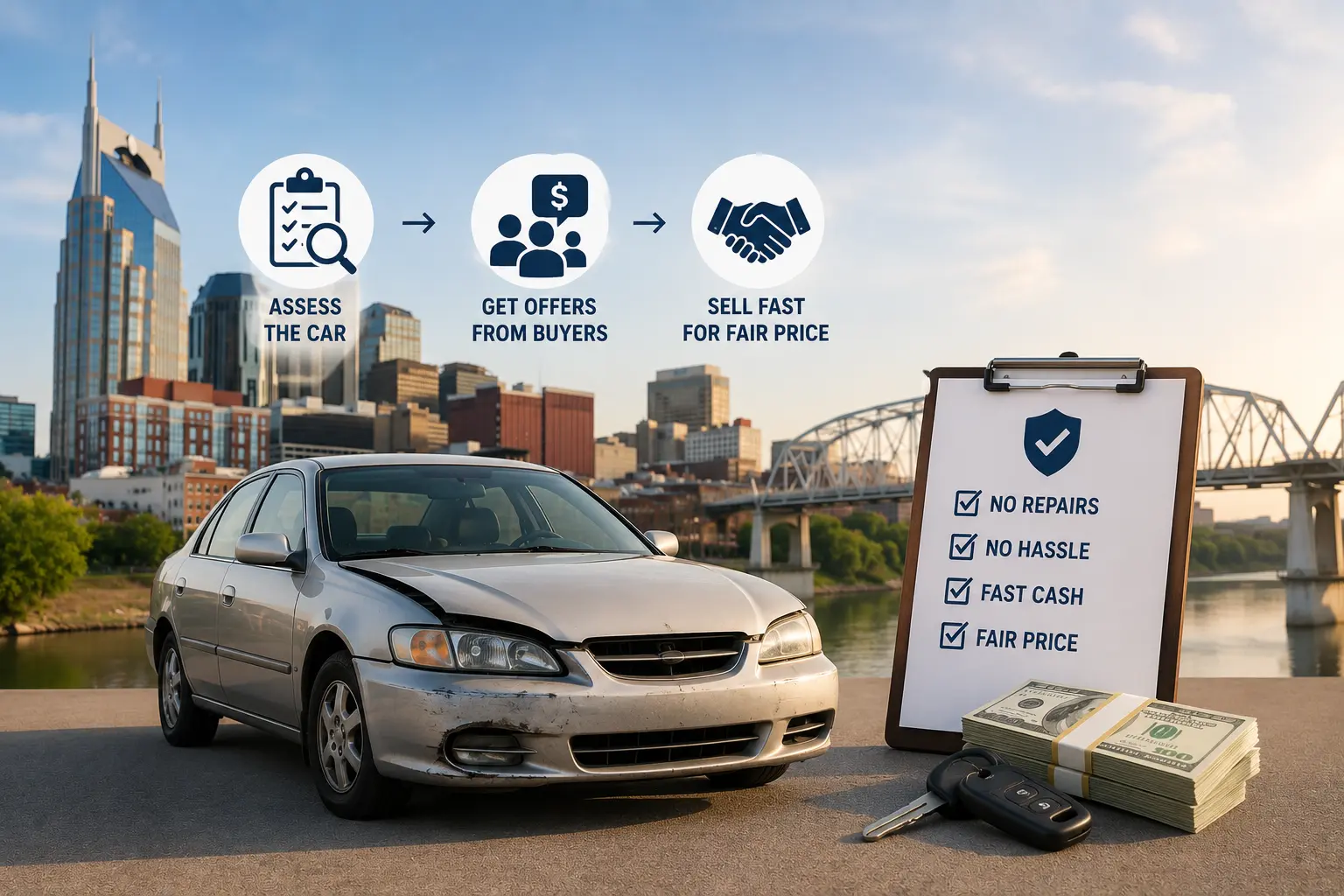
You don’t need to repair anything to get a fair offer in Nashville. The process is more straightforward than most people expect.
Step-by-step:
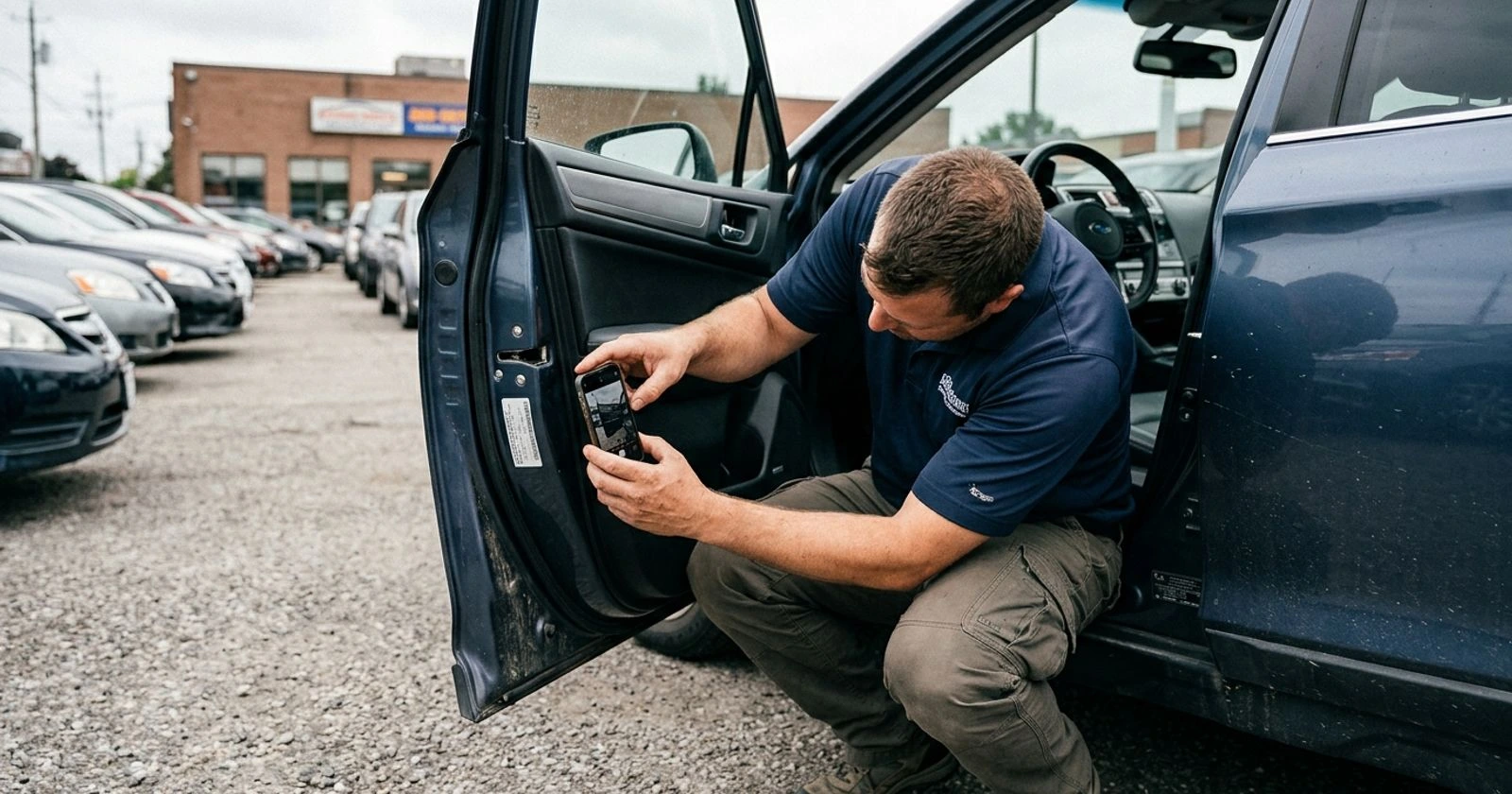
- Get a baseline valuation using your VIN or license plate number. This anchors you to the real market before any conversation starts.
- Gather your Tennessee title. If you have a lien, call your lender first to confirm the payoff amount. There’s a clear process for how to sell a car with a lien in Tennessee if that applies to your situation.
- Prepare a bill of sale. Tennessee does not require a notarized bill of sale for direct sales, but having one protects you legally. Review the full paperwork to sell a car in TN so nothing catches you off guard.
- Disclose known issues in writing. Tennessee’s as-is sale laws protect sellers who make proper disclosure upfront.
- Accept the offer and arrange pickup or drop-off.
Most sellers can complete steps 2 through 4 in under an hour.
Back to the 2018 Honda Civic. That seller had a failed catalytic converter, about 87,000 miles, and minor interior wear. A repair-first approach would have cost roughly $1,100 and returned an estimated $600 in offer improvement.
Selling as-is through a direct buyer, the seller skipped that $500 loss and closed the deal in two days. If speed matters to you, it’s worth understanding what same day car selling in Nashville actually looks like in practice.
Pro Tip: Before you get any offer, pull a vehicle history report using the VIN. Buyers will have one regardless. Knowing what’s in a used car’s history report ahead of time prevents surprises mid-negotiation and tells you if there are issues you weren’t aware of, like a prior accident report that’s already depressing your value.
Stop Comparing Offers Before You Understand Your Car’s Actual Value
This is where experienced sellers make expensive mistakes, not just beginners. They collect offers from different buyer types without a common baseline, then pick the highest number without knowing if it’s actually fair.
Different buyers price damaged cars on completely different models. A retail-focused buyer factors in reconditioning costs, lot time, and resale margin. A direct buying service prices against wholesale market value. An auction buyer prices for speed and volume.
These numbers will never match, and that’s not a sign of a bad deal. It’s just different business models at work. Understanding the difference between a trade-in vs cash sale helps you evaluate which route actually puts more money in your pocket.
Three data points every Nashville seller should know before accepting any offer:
- Current scrap value. This is your floor. Even a non-running car has metal value based on weight and current steel market rates.
- Local wholesale price. This is what dealers pay each other at auction for similar vehicles in Nashville, typically 20 to 30 percent below retail.
- Retail minus repair cost. Take the car’s retail value fully repaired, subtract the full repair cost and the buyer’s standard margin. What’s left is roughly what a direct buyer should offer.
Mc Auto Direct fits naturally at this stage. We buy cars directly by allowing you to submit your license plate or VIN for an online offer, which means you get a real, market-anchored number without stepping onto a lot or sitting through a pitch. That offer becomes your baseline for every other comparison. You can also sell used car for cash if a quick, clean transaction is the priority.
Does the Nashville Market Actually Pay Fair Prices for Damaged Cars in 2026?
The short answer is yes, and more consistently than most sellers expect.
Middle Tennessee has one of the highest concentrations of daily commuter vehicles in the Southeast. That creates steady demand for functional but imperfect cars, which are cheaper to buy and cheaper to insure.
Buyers in this market, both dealers and private parties, are less likely to walk away from a car with mechanical issues if the price reflects those issues honestly.
Shifts in used car demand in Nashville driven by fuel prices have also pushed more buyers toward practical, affordable vehicles regardless of condition.
Search interest in selling damaged or repair-needing vehicles in the Nashville area has grown noticeably over the past year. More buyers competing for these vehicles means sellers have more room to negotiate than they did even two years ago.
What drives stronger offers for running-but-damaged cars in Nashville specifically:
- A high volume of independent repair shops in Nashville keeps reconditioning costs lower for buyers, which means they can offer more
- A strong wholesale dealer network along the I-65 and I-24 corridors creates consistent demand for as-is inventory
- Tennessee’s as-is sale protections make direct transactions faster and cleaner than in states with heavier disclosure requirements
Repair-First Assumption Costs Nashville Sellers Real Money
Selling a car needing repairs in Nashville does not require fixing anything, visiting a dealership, or guessing at what your car is worth. The repair-versus-sell decision has a clear financial formula. Sellers who run the numbers almost always come out ahead by selling as-is.
Direct buyers move faster than private party transactions and skip the inspection contingencies that derail deals.
Their offers reflect wholesale market reality, which is the actual price your car commands right now, not a future value that depends on a repair going smoothly and a buyer choosing your listing over every other option.
If you want to sell your car in Nashville without the back-and-forth, a direct offer is the most efficient starting point.
The most important step is also the fastest. Submit your VIN or license plate, get a real number, and use that as your floor. If you want to know what your car is actually worth in Nashville’s current market before you commit to any buyer, get a cash offer today and start the comparison with real data in hand.