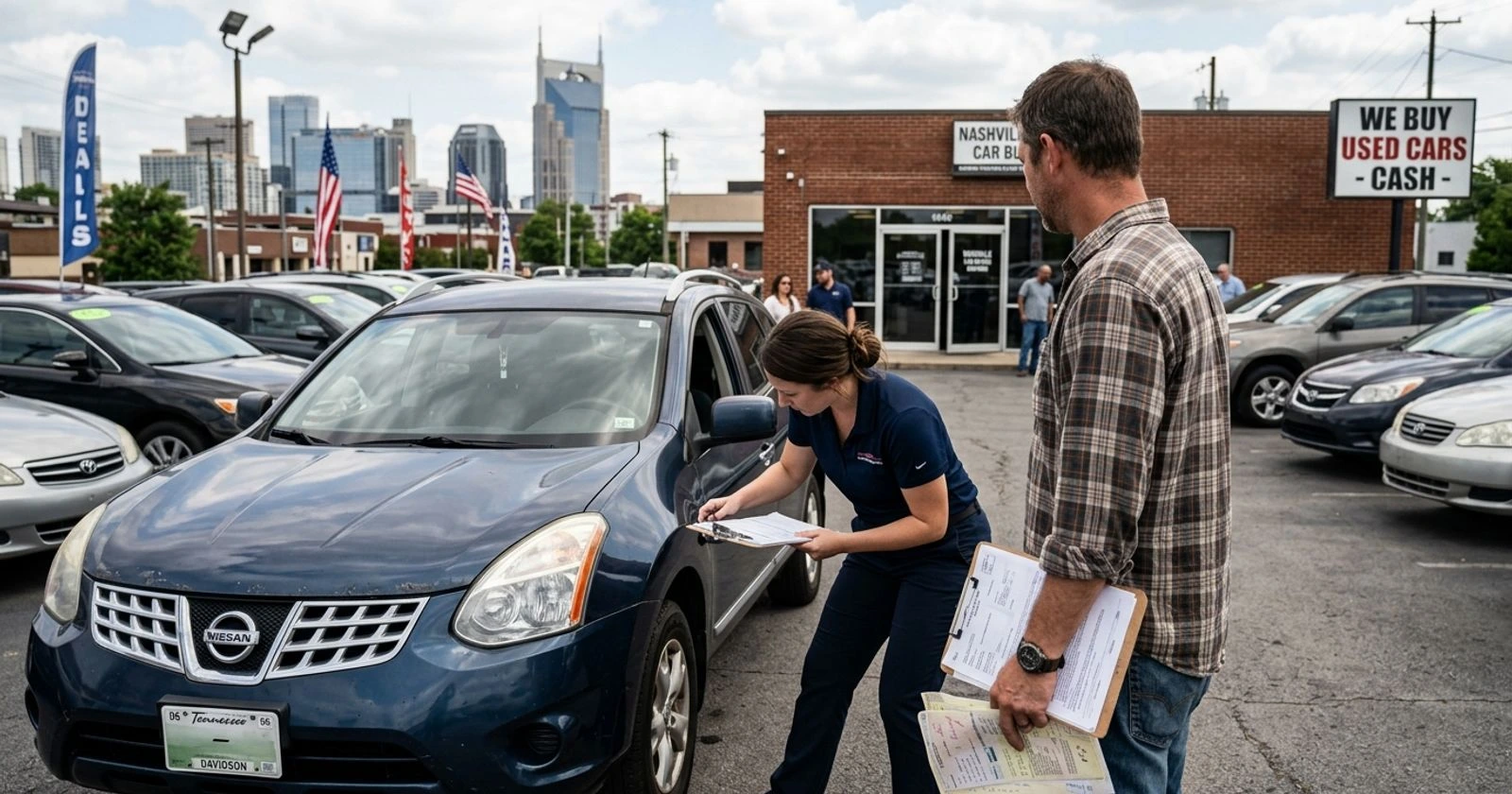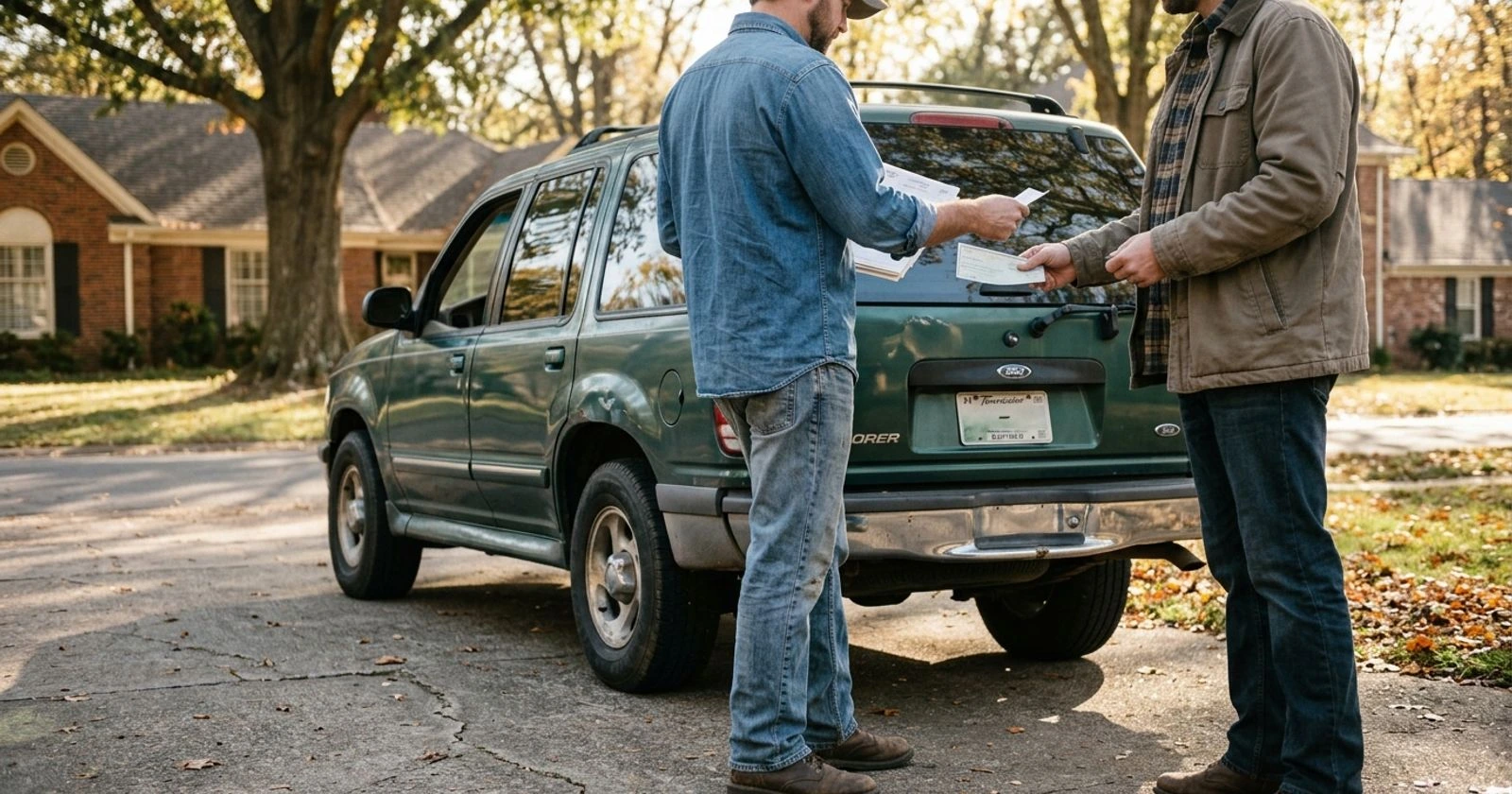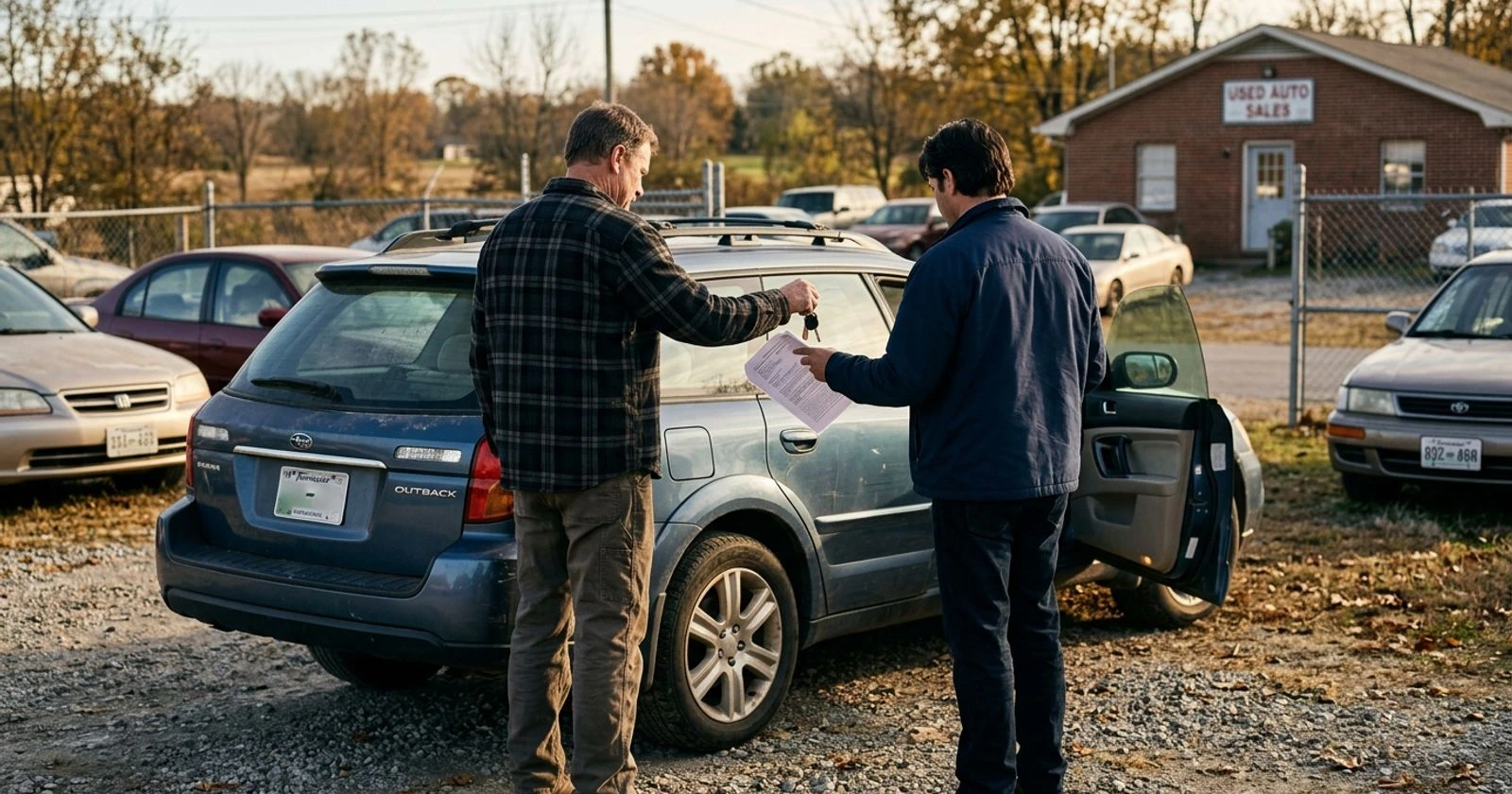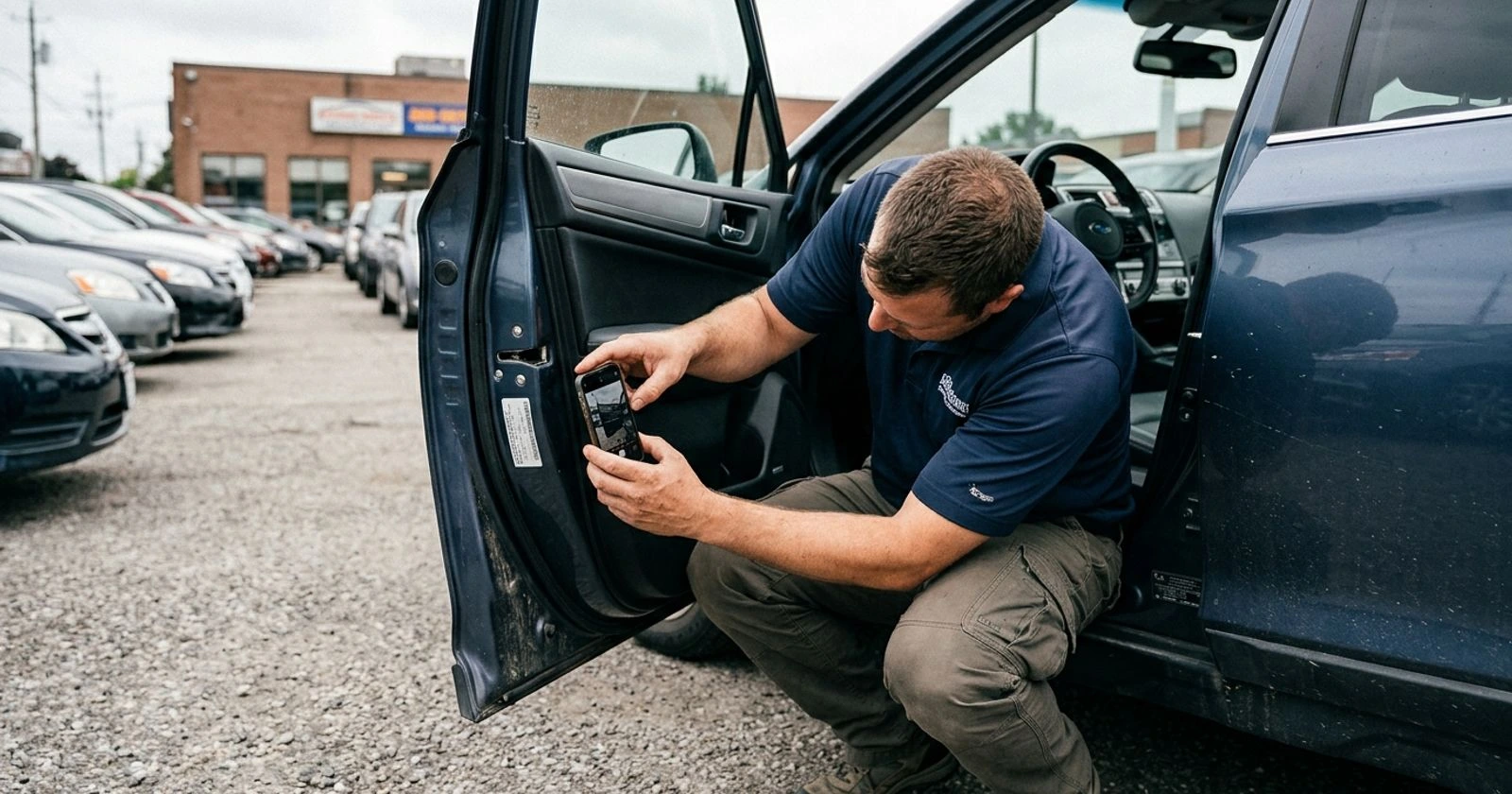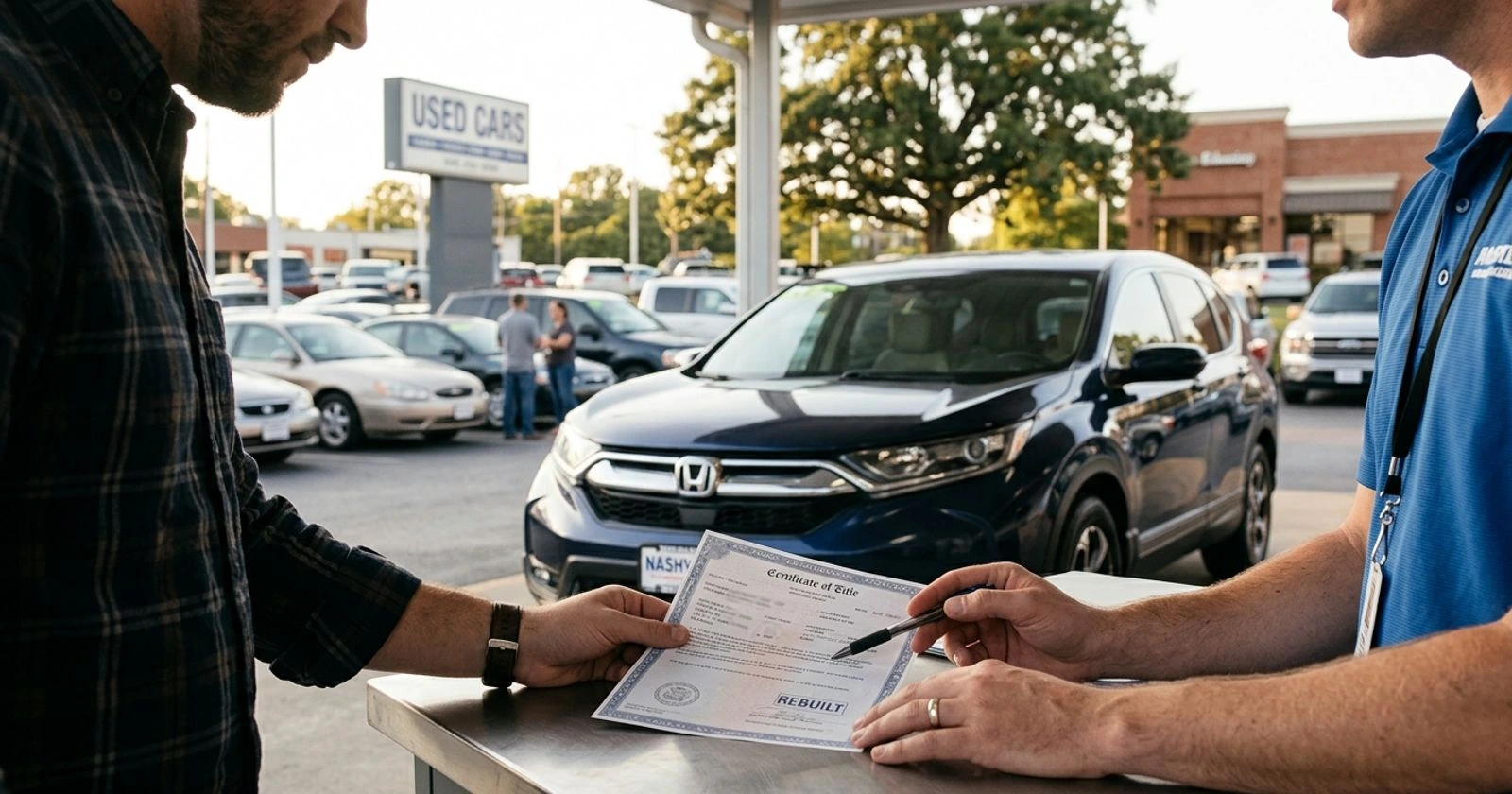

Here’s a scenario worth understanding before you list your car anywhere: a 2015 Honda Accord with 118,000 miles throws a P0420 code (catalytic converter efficiency below threshold). One seller gets a diagnostic scan first, learns the code, and gets an as-is cash offer reflecting that specific issue.
Another seller skips the scan, lists privately, and watches a buyer walk mid-negotiation the moment the light comes up during a test drive. Same code, same mileage, two very different outcomes.
Here’s the myth worth busting: a lit dashboard warning light does not mean your car is worthless, and it does not mean you have to fix everything before anyone will buy it.
The real question is what the light actually means for your specific vehicle, and that depends on more factors than most sellers realize.
Quick summary before you read on:
- A check engine light lowers value based on the diagnostic trouble code, not the light itself
- A steady light and a flashing light are very different problems with different urgency levels
- Fixing the issue before selling only makes sense if the repair cost is small compared to the value gain
- Private buyers, trade-ins, and online buyers all handle a lit warning light differently
- You can sell car with check engine light on in Nashville without spending money on repairs first
Sell Car With Check Engine Light On
A lit warning light raises questions before it lowers a price. Buyers want to know if the fix costs $80 or $2,800, and that gap is exactly why the light itself carries less weight than the code behind it. Vehicle age, mileage, condition, title status, and current demand for your make and model in Middle Tennessee all shape the final number more than the light does.
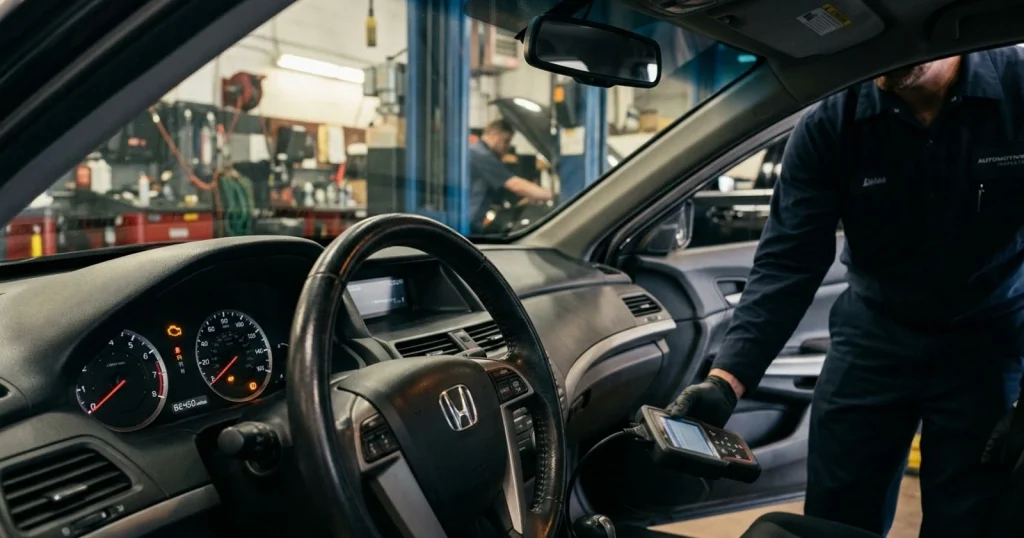
Some causes are minor. A failing gas cap typically costs $15 to $25 to replace and has almost no measurable effect on an appraisal once the code is cleared and confirmed resolved.
A single lazy oxygen sensor usually runs $150 to $300 installed and shaves little more than that amount off an offer.
A small EVAP leak, often a loose fuel cap or a cracked purge valve, tends to fall in the $100 to $400 repair range and carries a similarly modest impact on check engine light car value. Other causes are expensive.
A failed catalytic converter, a stored transmission code, or a persistent misfire can run into the thousands and will absolutely affect check engine light car value. That range is the whole point. Sellers dealing with sell car with check engine light on situations are not facing one universal outcome.
They are facing a spectrum, and the smartest move is finding out where their car sits on it before assuming the worst.
Why the Code Matters More Than the Light
An OBD-II scanner reads the diagnostic trouble code (DTC) stored in the engine control module. That code is the actual data point buyers and mechanics care about. Without it, both sides are guessing, and guessing tends to push offers lower out of caution.
Steady Light or Flashing Light Changes Everything
A steady check engine light usually means a code got stored and needs diagnosis, but the car is still safe to drive short distances. A flashing check engine light is a different situation entirely. It often signals an active misfire severe enough to damage the catalytic converter if you keep driving on it.
This distinction matters for anyone trying to sell used car with engine problems responsibly. Continuing to drive on a flashing light can turn a moderate repair into an expensive one, which then affects your negotiating position later. Many auto parts retailers, including AutoZone locations across Nashville, will run a free diagnostic scan on the spot, giving you a real code to work with instead of a guess.
Common triggers worth knowing about include:
- A mass airflow sensor reading incorrectly
- Worn spark plugs or failing ignition coils causing a misfire
- An EVAP leak somewhere in the emissions system
- A vacuum leak or fuel system pressure issue
Ask the shop for the exact DTC, not just a plain-English summary. “P0420” tells a buyer far more than “something with emissions,” and it lets them give you a faster, more accurate cash offer for car with mechanical issues.
Don’t ignore a flashing light or keep driving on it hoping it clears itself. It rarely does. The underlying emissions system or fuel system damage tends to get worse, not better.
Should You Fix It First or Sell Your Car As-Is
There is no single right answer here. The decision comes down to comparing your repair estimate against the realistic increase in offer price, and those two numbers do not always move together.
When Fixing It First Makes Sense
Fixing a cheap, obvious issue can help if you plan to sell privately. A gas cap replacement or a single sensor swap is the kind of thing a private buyer notices immediately during a test drive. Clearing it before listing can remove an objection that costs you far more in negotiating leverage than the part itself.
When As-Is Selling Makes More Sense
Bigger repairs are a different math problem. Christian Brothers Automotive locations in the Nashville area have quoted catalytic converter replacements on midsize sedans in the $1,200 to $1,800 range depending on the vehicle, and Firestone Complete Auto Care has quoted similar jobs closer to $1,500 to $2,200 with OEM parts.
That repair does not reliably return its full cost in a higher private-party offer once a buyer factors in the car’s age and mileage.
In cases like this, getting a real cash offer for the car with mechanical issues before spending a dime on repairs gives you an actual number to compare against the repair invoice. That comparison turns a guess into a decision.
How Private Buyers, Trade-Ins, and Online Offers Actually Compare
Selling privately puts you in direct contact with buyers who often ask for scan results, repair receipts, and a test drive before committing. Once they hear a rough idle or feel a misfire, negotiations tend to shift fast. Some walk away entirely rather than deal with sell car with warning lights uncertainty.
Dealership trade-ins usually still accept the vehicle, but expect the trade value adjusted downward for reconditioning risk. The dealership does not know your fuel system or transmission condition any better than a private buyer does, so they price in that unknown.
Online car buyers frequently issue a quick preliminary quote, then revise it after an in-person or third-party inspection reveals the check engine light and diagnostic codes. That revision can feel like a bait-and-switch even when it isn’t intentional.
| Option | Speed | Inspection Expectation | Common Value Risk |
|---|---|---|---|
| Private buyer | Slowest, weeks of showings | Test drive, may request scan | Heavy negotiation once light is seen |
| Dealership trade-in | Same day at time of purchase | Visual and drive check | Adjusted down for recon risk |
| Online car buyer | Days, pending inspection | Third-party or in-person review | Offer often revised after inspection |
| Local cash buyer | Same day possible | Direct VIN and condition review | Depends on code severity and demand |
A local cash buyer can review the VIN, mileage, title status, and condition details directly, without the back-and-forth of a private listing or the revised-offer surprise common with national online buyers. That directness matters most to sellers who want one clear number instead of a quote that shifts after someone else looks at the car in person.
MC Auto Direct’s process starts with a license plate or VIN submitted through the site, which pulls real vehicle data before any conversation happens. A seller adds condition details, including the check engine light status and any known code, and gets a direct offer back rather than a form that gets forwarded to a network of other buyers to bid on.
Gather These Details Before You Request an Offer
Accurate information leads to a clearer, more confident offer and fewer surprises once inspection happens. Before you request a cash offer for car with check engine light, put together:
- VIN or license plate number
- Current mileage
- Whether the car runs and drives normally otherwise
- Whether the check engine light is steady or flashing
- Any diagnostic codes already pulled
- Repair estimates, if you already got one
- Service records and known accident history
- Vehicle title and loan payoff details if financed
- Notes on other warning lights, noise, shaking, overheating, or stalling
- A few clear photos of the vehicle
This list matters more than it looks. A buyer working from real details can give you a firmer number on the first pass instead of a wide range that shrinks after inspection.
Honesty About the Warning Light Speeds Up the Sale
Hiding a check engine light from a buyer rarely works out. It usually surfaces during a test drive, an inspection, or a scan, and once it does, trust in the whole deal takes a hit. Deals fall apart at that point more often than they get renegotiated fairly.
Describing the issue clearly upfront, especially if you already know the code or got a repair estimate, speeds things up for everyone. Serious buyers can evaluate a car with disclosed diagnostic codes faster than one where they have to dig for the truth themselves.
Take that Accord example again. The seller who disclosed the P0420 code, the mileage, and a repair quote upfront got a same-day cash offer reflecting the known issue. No test drive surprises, no renegotiation, no wasted week.
That is the practical value of disclosure, not a moral argument, just a faster path to a real number.
If you’re ready to find out what your vehicle is actually worth, submit your VIN or license plate for an online review at mcautodirect.com and skip the guesswork before you spend a dollar on repairs.
Frequently Asked Questions
Can I sell a car with the check engine light on?
Yes, sellers regularly sell car with check engine light on in Nashville and Middle Tennessee. The light affects the offer amount, not whether the sale is possible.
Does a check engine light lower my car’s value?
It can, but the amount depends on the diagnostic code, repair cost, mileage, and overall condition. A minor sensor issue affects value far less than a transmission code or major misfire.
Should I fix the check engine light before selling?
It depends on the repair cost versus the likely increase in offer. Cheap, obvious fixes can help a private sale, while expensive repairs often don’t return their full cost.
Can I get a cash offer if I do not know the diagnostic code?
Yes, though sharing a known code speeds up the process. A local buyer can still review your VIN, mileage, and condition details without a full diagnostic scan in hand.
Will a dealership take a car with the check engine light on?
Often yes, but expect the trade-in value adjusted downward to cover reconditioning risk. Dealerships price in the uncertainty the same way any buyer does.
Can I sell a car with a flashing check engine light?
Yes, but disclose it clearly since a flashing light often points to an active misfire. Buyers will want to know this before making a firm offer.
Can MC Auto Direct review my car if the check engine light is on?
Yes, sellers can submit their VIN or license plate through MC Auto Direct for a direct review, including vehicles with a check engine light or other mechanical issues noted upfront.