A VIN helps a buyer identify the exact vehicle you're selling, not just the year, make, and model everyone already knows. That distinction matters because a cash offer for car by VIN can land much closer to your car's real value than a rough online guess.
Trim level, accident history, mileage records, and open recalls all live inside those 17 characters, and every one of them changes the number you actually get.
Most online estimators only ask for year, make, and model. Two Honda Accords from the same year can carry a $2,000 to $4,000 value gap once you factor in trim, engine type, and title history. That gap is exactly why serious buyers start with the VIN.
What a VIN Actually Tells a Buyer
A VIN, or vehicle identification number, is a unique 17-character code assigned to one specific car, truck, SUV, or van. No two vehicles on the road share the same VIN. Think of it like a fingerprint tying a specific build, ownership history, and event record to that one unit, not the general model everyone else is driving.
You can usually find your VIN in one of these spots:
- Driver-side dashboard, visible through the windshield
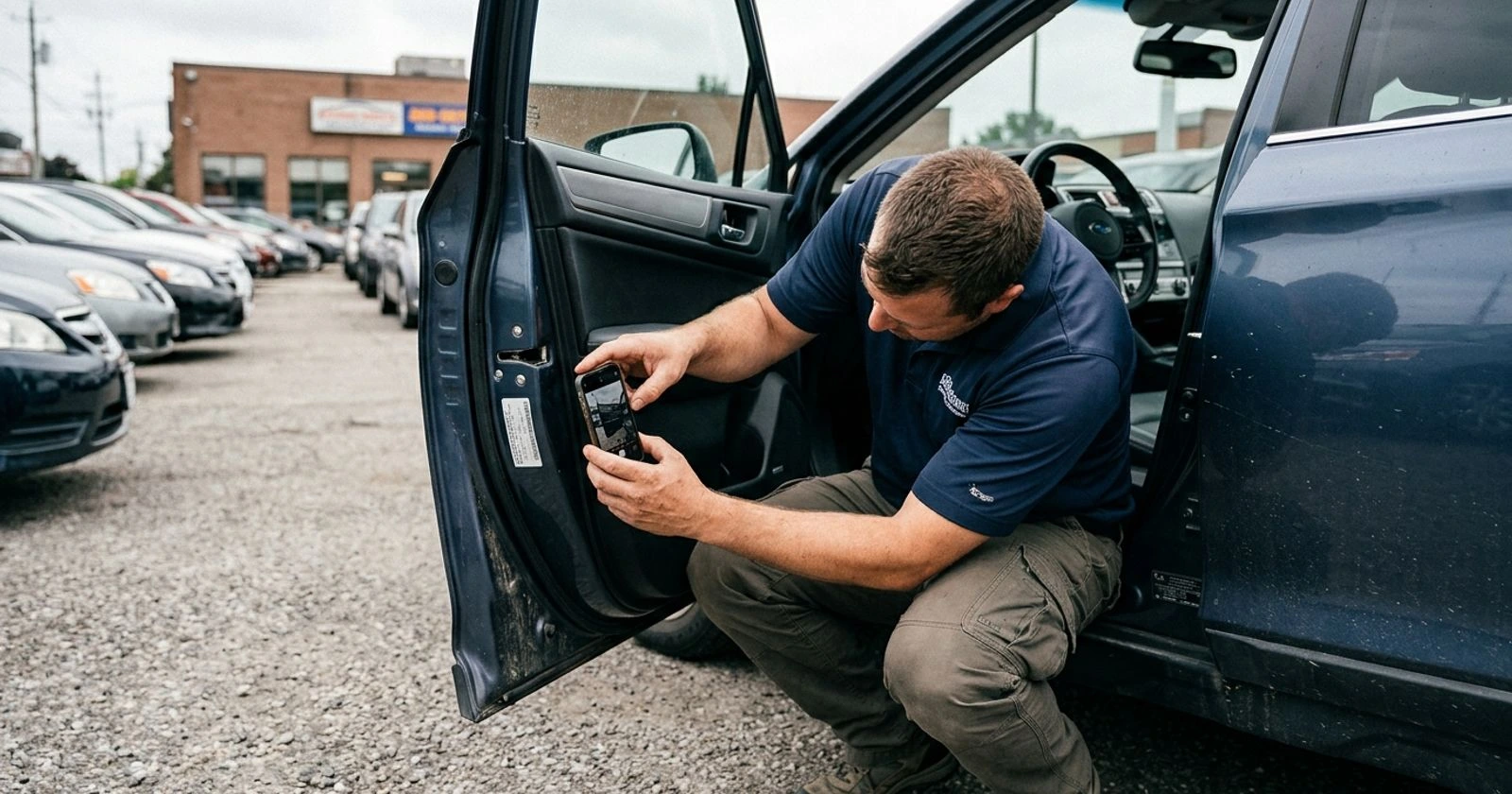
- Driver-side door jamb sticker
- Title or registration paperwork
- Insurance card or loan documents
Once a buyer has the VIN, they can pull the exact trim level, engine type, factory options, and sometimes prior sale locations. This is why car value by VIN research beats a generic guess based on year and model alone. Two identical-looking cars can carry very different resale value once accident history and title status enter the picture.
How a Cash Offer for Car by VIN Works
The process behind a cash offer for car by VIN is straightforward, but it's not instant magic. It still depends on the details you provide and what an inspection confirms later.
The Step-by-Step Process
- You submit your VIN or license plate through an online form.
- The buyer checks vehicle details, including make, model, trim, and engine type.
- Vehicle history, title status, mileage, and Nashville market demand get reviewed.
- You may add condition details and photos to sharpen the estimate.
- The buyer prepares a real offer based on all of that data.
- You review the offer and decide if it works for you.
- If you accept, the sale moves to lien payoff, title transfer, and payment. That last step matters. A VIN-based number is a strong starting point, but final condition, accurate odometer reading, and a quick inspection still confirm the price. Anyone promising a locked-in number with zero verification is skipping a step buyers don't skip.
Why Nashville Sellers Are Skipping Private Buyers
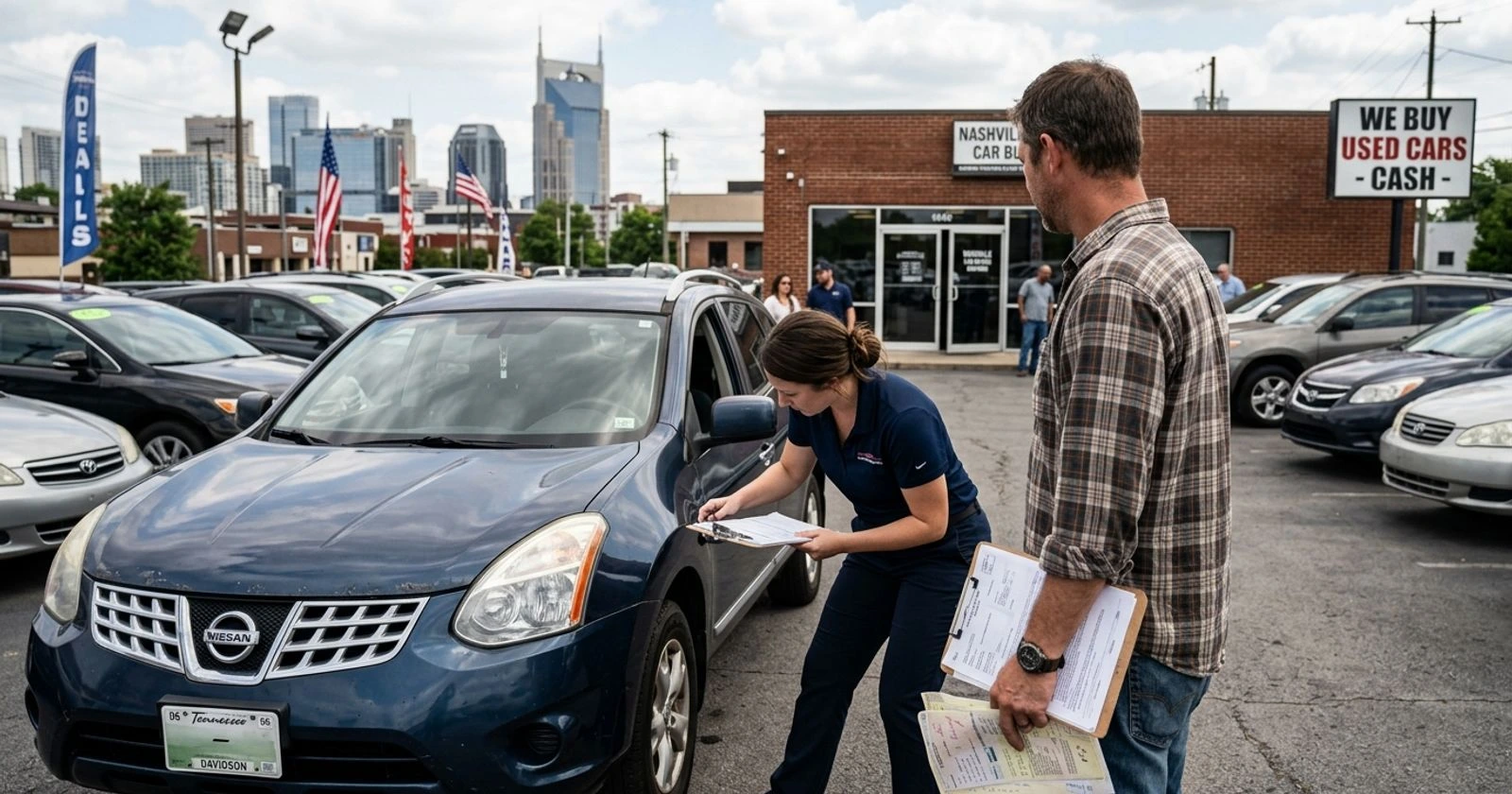
Selling a car in Davidson County used to mean posting online and waiting. Now more sellers want a Nashville cash car offer without the wait, the no-shows, or the stranger meeting up in a parking lot after dark.
Private sale listings bring real friction:
- Buyers who ghost after agreeing on a price
- Negotiation stress over every scratch and mile
- Unsafe meetups for test drives or cash handoffs
- Dealership trade-in pressure that pushes you toward a new purchase
MC Auto Direct works differently. As a local buyer connected to Music City Autoplex, the process centers on reviewing your actual vehicle and pricing it against real demand in the Nashville car market, not a national average. You submit your VIN or license plate, get a direct offer, and skip the stranger-meetup risk entirely.
What Really Moves Your VIN-Based Offer Up or Down
A VIN pulls the data, but the final offer still comes down to specifics a buyer has to verify. Here's what actually swings the number.
Vehicle Details and History
- Year, make, model, and trim level
- Mileage and odometer reading
- Accident history and repair history
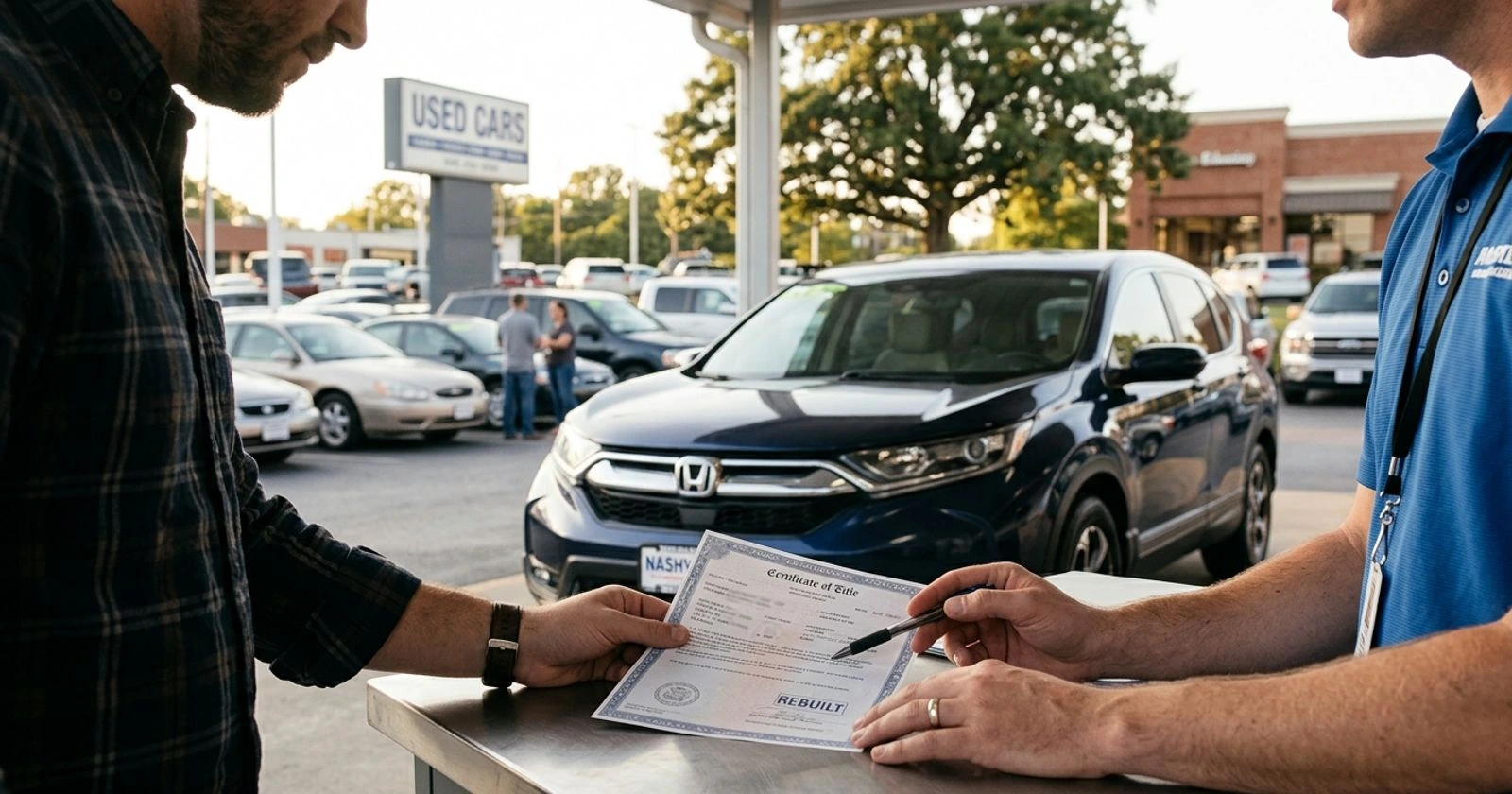
- Title status: clean, rebuilt, salvage, or branded
- Open loan or lien payoff amount
- Service records and documented maintenance
Condition and Local Demand
- Demand in the Nashville market for that specific make and model
- Modifications or aftermarket parts
- Mechanical issues, tires, brakes, and dashboard warning lights
- Exterior and interior condition
- Whether the car can be driven safely to a buyer's location
A clean CARFAX or AutoCheck report doesn't set your price by itself. Kelley Blue Book, NADA, and Edmunds all weigh those history flags differently, and local demand can push the real number above or below any single guide.
VIN-Based Offer vs. Online Estimate vs. Trade-In vs. Private Sale
Not every selling path works the same way, and none of them is automatically best. Here's how they actually compare.
| Method | Accuracy | Speed | Hassle Level | Best For | Possible Drawback |
|---|---|---|---|---|---|
| VIN-based cash offer | High (exact vehicle data) | 1-2 days | Low | Sellers wanting speed and clarity | May land below top private sale price |
| Online estimate, no VIN | Low (generic model data only) | Instant | Low | Rough ballpark only | Often inaccurate for trim and condition |
| Dealership trade-in | Medium | Same day | Medium | Buying another car same visit | Offer often reduced against new purchase |
| Private sale | Varies widely | Weeks to months | High | Sellers with time and patience | No-shows, negotiation, safety concerns |
A private sale can sometimes bring in more cash than any of the other three. It usually costs you weeks of listing, screening buyers, and handling test drives. A VIN cash offer trades a little upside for a lot less hassle and a much faster close.
VIN or License Plate, Which Should You Use?
Both a VIN and a license plate can help a buyer identify your vehicle. The VIN is still the more direct path because it's tied permanently to that one car, while a plate can change with registration or state. If you use a VIN, type it carefully.
One wrong character can pull the history and specs for an entirely different vehicle, which throws off your vehicle appraisal by VIN before it even starts. A license plate lookup works fine as a starting point, but confirming with the VIN keeps the numbers accurate.
Keep Your VIN Public, Keep Your Info Private
Sharing your VIN with a buyer isn't a privacy risk. It's already visible through your windshield and printed on your title, so a legitimate buyer asking for it is normal business, not a red flag.
What you should guard is personal information beyond that. Don't hand over your address, banking details, or full loan account number to a random online contact before you know who you're dealing with. Working with a local buyer you can verify, rather than an anonymous listing reply, keeps the process safer on both ends.
Selling a Car With a Loan Still Owed
Owing money on your car doesn't stop you from getting a cash offer by VIN. You'll just need a few extra pieces of information ready before the sale moves forward.
Have these on hand:
- Your lender's name and contact information
- Current payoff quote and loan balance
- Account number tied to the loan
- Title or lien status confirmation
A professional buyer can usually coordinate the payoff directly with your lender, handle the paperwork, and complete the title transfer once the loan clears. That's a very different experience than trying to explain a lien to a private buyer over text.
Getting a Real Offer Without the Guesswork
Selling a used car in Nashville doesn't have to mean weeks of listings, dealership pressure, or a stranger who never shows up. MC Auto Direct buys cars, trucks, SUVs, and vans directly, and the process starts with one simple step: submit your license plate or VIN for an online offer.
That single entry point replaces the middlemen and uncertain private buyers that make selling stressful. Backed by the local market knowledge tied to Music City Autoplex, the offer you get reflects your actual vehicle, not a generic guess.
If you're ready to sell your car fast in Nashville, Get Your Offer and see a real number based on your VIN today.
Frequently Asked Questions
Can I get a cash offer for my car by VIN?
Yes. Submitting your VIN lets a buyer pull your exact trim, engine type, and history details, which leads to a more accurate offer than a generic online estimate.
Is a VIN-based car offer accurate?
It's more accurate than a year-and-model guess because it accounts for trim, mileage, and title status. The final number still depends on a condition check and inspection before the sale closes.
Where do I find my VIN number?
Check the driver-side dashboard through the windshield, the driver-side door jamb sticker, or your title, registration, insurance card, or loan documents.
Can I get a cash offer if I still owe money on my car?
Yes. You'll need your lender's name, current payoff quote, and loan balance, and a professional buyer can usually help coordinate the payoff and title transfer.
Does accident history affect a VIN cash offer?
Yes. Accident history, frame damage, and flood damage all affect resale value, and a VIN pulls this information directly from vehicle history reports.
Can I use a license plate instead of a VIN?
Yes, a license plate can start the lookup, but the VIN confirms the exact vehicle details more directly. Double-check your VIN entry since one wrong character pulls the wrong car's data.
Is it safe to share my VIN when selling my car?
Yes. Your VIN is already visible on your vehicle and title, so sharing it with a legitimate buyer is standard practice. Avoid sharing personal or financial details until you know who you're working with.
What is the fastest way to get a cash offer for my car in Nashville?
Submitting your VIN or license plate online through a local buyer is the fastest route, often producing a real offer within a day or two instead of weeks of private listing.