
Most Nashville sellers who got stuck waiting three weeks to close a private car sale traced the delay back to a single missing form they’d never heard of.
The paperwork to sell a car in TN is more layered than most guides suggest, and sellers who skip the Nashville-specific steps often end up absorbing the buyer’s headaches long after the keys have changed hands.
Table of Contents
- The Core Paperwork Every Tennessee Seller Needs in 2026
- Nashville-Specific Requirements Other Guides Miss
- Special Cases: Liens, EVs, Hybrids, and Out-of-State Buyers
- How to Sell Your Car in Nashville Without the Paperwork Headache
- Key Takeaways
- Frequently Asked Questions
Quick Summary
- Tennessee requires a signed title, bill of sale, and odometer disclosure for most 2026 private sales
- Nashville sellers must file the Davidson County wheel tax affidavit (Form RV-F1320601) on sales over $5,000
- The TN STAR portal launched Q1 2026 and allows digital title transfers, eliminating most county clerk visits
- New 2026 TDOSHS emissions disclosure rules apply specifically to Nashville private sellers
- EVs under 50,000 miles are now exempt from standard odometer disclosure, but battery health documentation requirements apply
The Core Paperwork Every Tennessee Seller Needs in 2026
Every private vehicle sale in Tennessee starts with four foundational documents. Missing any one of them can delay registration for the buyer and create real liability exposure for you. For a broader look at Tennessee’s official vehicle selling requirements, the state’s Motor Vehicle Commission publishes current guidance worth bookmarking.
1. Signed and Notarized Certificate of Title
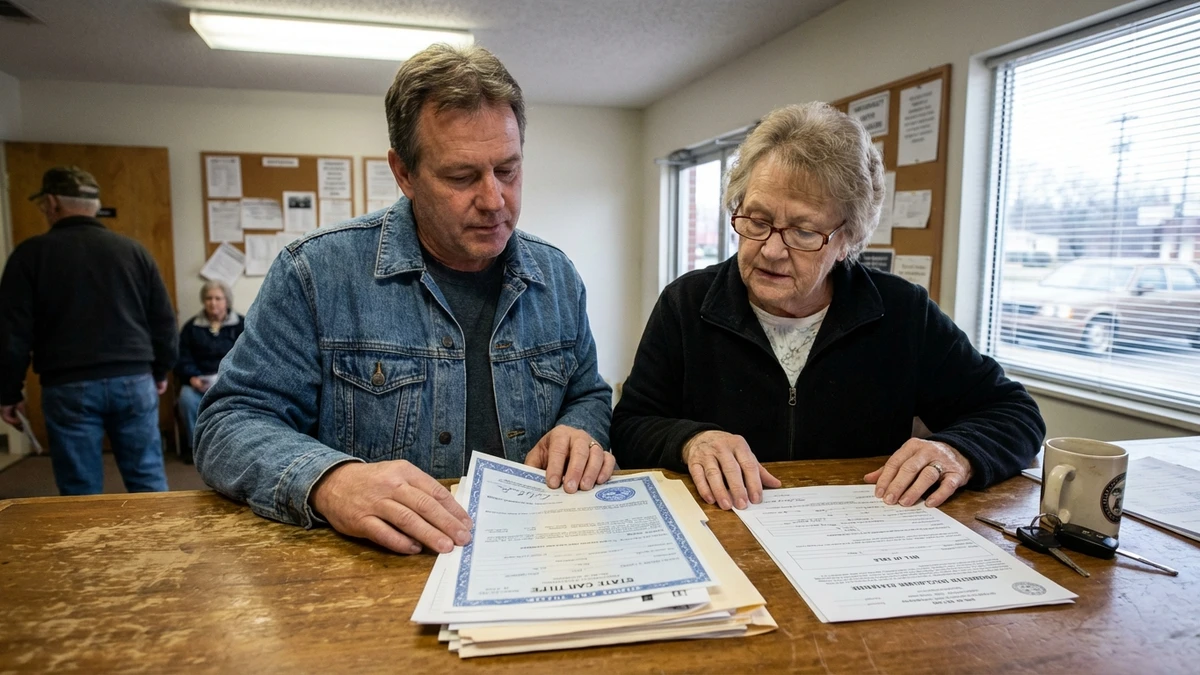
The title must be signed by the seller and, in most cases, notarized before transfer. If your vehicle carries an active lien, the process changed significantly in 2026.
The Tennessee Department of Revenue now requires lien payoff notifications to be processed through the TN DOR LienLink portal, replacing older mail and email-based methods. This digital lien release system generates a timestamped payoff confirmation that must accompany the title at transfer.
Sellers who attempt to use legacy lien release documentation from a bank or credit union may find the Davidson County Clerk’s office rejecting the paperwork outright.
2. Bill of Sale
Tennessee law does not legally mandate a bill of sale for private sales, but omitting one is a risk not worth taking. A properly completed bill of sale should include:
- Full legal names and addresses of buyer and seller
- Vehicle Identification Number (VIN)
- Year, make, and model
- Sale price and date of transaction
- Odometer reading at time of sale
- Signatures from both parties
The sale price matters beyond the transaction itself. It feeds directly into the sales tax calculation and, in Davidson County, determines whether the wheel tax affidavit is triggered.
3. Odometer Disclosure Statement
Federal NHTSA rules govern odometer disclosure, and 2026 brought meaningful updates. The exemption threshold for hybrid vehicles was extended to 25 years, meaning hybrids manufactured before 2001 no longer require a formal odometer statement.
For electric vehicles, a separate exemption applies: EVs with fewer than 50,000 miles at the time of sale are exempt from standard odometer disclosure requirements under 2026 rules. Buyers can still legally require a battery health report as a condition of purchase, which functions as a parallel disclosure document.
4. Sales Tax Responsibility
25% single-article tax applied to the transaction. 5% green vehicle fee was added in 2026 for applicable transactions, affecting hybrid and electric vehicle sales in Davidson County specifically.
In a private sale, the buyer typically pays sales tax at registration, but the bill of sale’s stated price is the figure the county uses to calculate the amount owed.
Nashville-Specific Requirements Other Guides Miss
This is where most general Tennessee guides fall short. Davidson County has requirements that don’t appear in statewide resources, and skipping them creates problems after the sale closes. If you’re also trying to sell your car fast in Nashville TN, understanding these local requirements upfront is what separates a smooth transaction from a weeks-long delay.
Davidson County Wheel Tax Affidavit (Form RV-F1320601)
Any Nashville vehicle sale with a transaction price above $5,000 requires the seller to complete Form RV-F1320601, the Davidson County wheel tax affidavit. This form is filed with Davidson County and documents that the wheel tax obligation has been addressed as part of the transfer.
Most sellers don’t encounter this requirement until the buyer’s registration is rejected, at which point the seller is usually the one fielding the phone calls.
2026 TDOSHS Emissions Disclosure Rule
The Tennessee Department of Safety and Homeland Security introduced a new private seller emissions disclosure requirement effective 2026. Nashville sellers must now provide written documentation of the vehicle’s emissions compliance status as part of the sale paperwork.
The rule applies to gasoline-powered vehicles model year 1996 and newer, registered in Davidson County. Diesel and fully electric vehicles follow separate disclosure tracks. The simplest way to comply is to include a completed emissions status form alongside the bill of sale.
TN STAR Digital Title Transfer Portal
Launched in Q1 2026, the TN STAR portal allows eligible sellers to complete title transfers entirely online, eliminating the trip to the Davidson County Clerk’s office on 700 Second Avenue South. Here’s how the process works:
- Create or log in to your Tennessee.gov account
- Access the TN STAR portal and select “Private Vehicle Title Transfer”
- Enter the VIN and current title number
- Upload the signed title image and any lien release documentation from TN DOR LienLink
- Complete the odometer disclosure and emissions status fields digitally
- Submit and receive a transfer confirmation number
| Factor | Traditional County Clerk Transfer | TN STAR Digital Transfer |
|---|---|---|
| Time Required | 1-3 hours (in-person wait) | 15-30 minutes online |
| Cost | $13.50 title fee + parking | $13.50 title fee, no travel |
| Documents Needed | Physical title, ID, forms | Uploaded title scan, digital forms |
| Lien Release | Paper release letter | TN DOR LienLink confirmation |
| Eligibility | All sellers | Clean title, no salvage/rebuilt |
Pro Tip: The TN STAR portal does not yet support salvage or rebuilt title transfers. If your vehicle carries either designation, you still need to visit the Davidson County Clerk’s office in person with the additional documentation outlined under Tennessee Code § 55-17-120.
Special Cases: Liens, EVs, Hybrids, and Out-of-State Buyers
Selling with an Active Lien

The 2026 TN DOR LienLink portal requirement changed the timeline for lien releases. Once you initiate a payoff, the lender submits a digital release notification directly to the portal, typically within 3-5 business days.
TDOSHS data from Q1 2026 indicated that a significant share of Nashville private sellers encountered delays because they were still using legacy lien release letters the new system no longer recognizes. Initiate the LienLink process before listing the vehicle, not after you’ve accepted an offer.
EVs and Hybrids
Beyond the odometer exemption for EVs under 50,000 miles, Nashville sellers of electric vehicles should be prepared for buyers to request a battery health report generated through the manufacturer’s diagnostic portal, such as Tesla’s in-app report or Nissan’s LEAF battery check tool.
Sellers are not legally required to provide this proactively, but having it ready accelerates the transaction and reduces negotiation friction. Think of it the same way you’d approach having a recent oil change receipt on hand for a gas-powered vehicle: it answers the question before it’s asked.
Out-of-State Buyers As of 2026, buyers from Kentucky and Alabama owe no Tennessee sales tax at the point of sale, due to updated reciprocity agreements between the states.
As the seller, you need to retain documentation confirming the buyer’s out-of-state residency, typically a copy of their driver’s license and a signed buyer declaration. This protects you if the Tennessee DOR later questions the tax treatment of the transaction.
Salvage and Rebuilt Titles
Tennessee Code requires sellers of salvage, rebuilt, or non-repairable title vehicles to file digital disclosure reports through the TDOSHS system in 2026. Nashville sellers must also provide a written disclosure statement to the buyer that specifically identifies the title designation and any known structural repairs.
Omitting this is a statutory violation, not just a civil risk. xml) have covered related title and documentation topics across the blog if you want to go further on this.
How to Sell Your Car in Nashville Without the Paperwork Headache
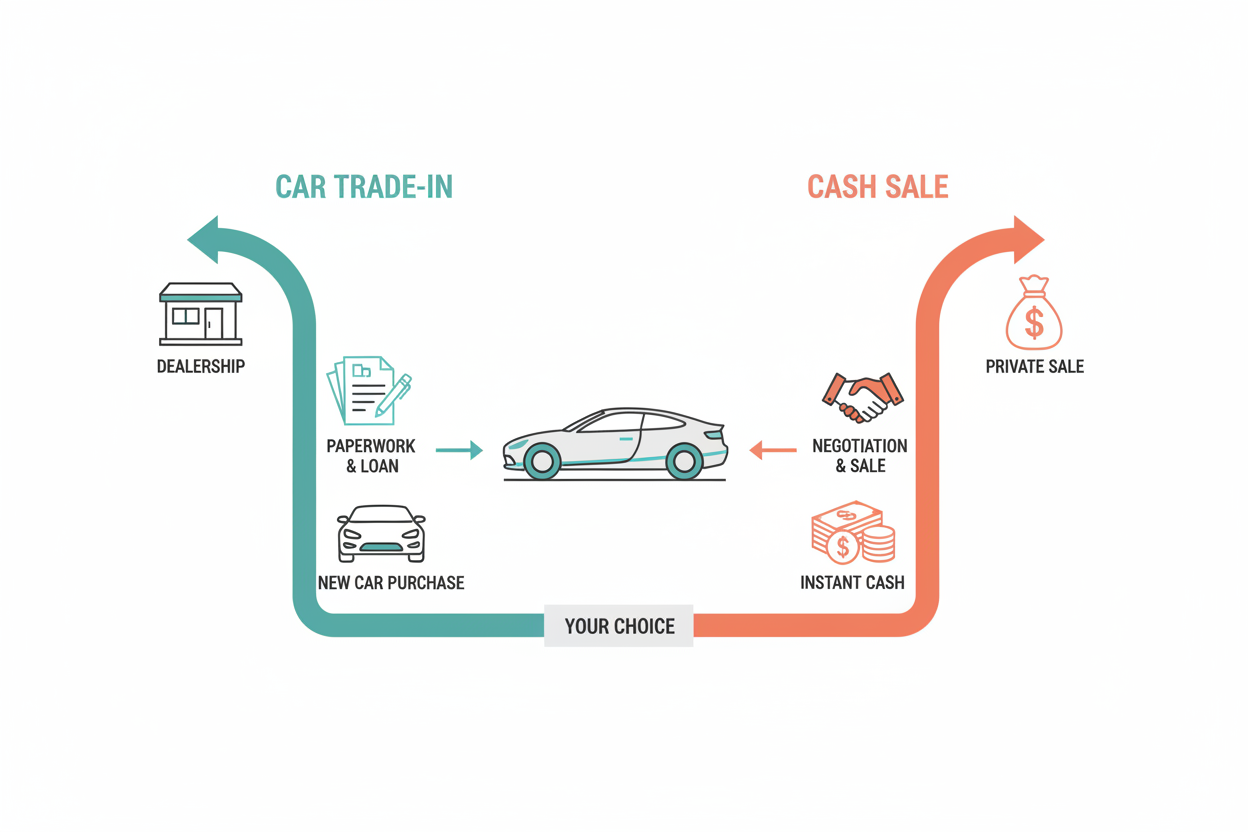
The full private sale checklist above is manageable, but it requires coordinating multiple state systems, county-specific forms, and timing dependencies. For sellers who want to skip most of that process, submitting your VIN or license plate to a direct buyer compresses the entire workflow considerably.
, where private sale negotiations tend to drag on longer anyway.
Here’s what that streamlined process looks like in practice:
- Enter your VIN or license plate into the online valuation tool
- Receive an instant offer based on current Nashville market data and your vehicle’s condition profile
- Accept the offer and schedule a same-day or next-day vehicle handoff
- The direct buyer handles title transfer processing, lien payoff coordination through TN DOR LienLink, the Davidson County wheel tax affidavit on qualifying transactions, and the TN STAR digital transfer submission
What you don’t have to manage: the emissions disclosure filing, the county clerk paperwork, or the lien release timeline. The administrative burden shifts almost entirely to the buyer.
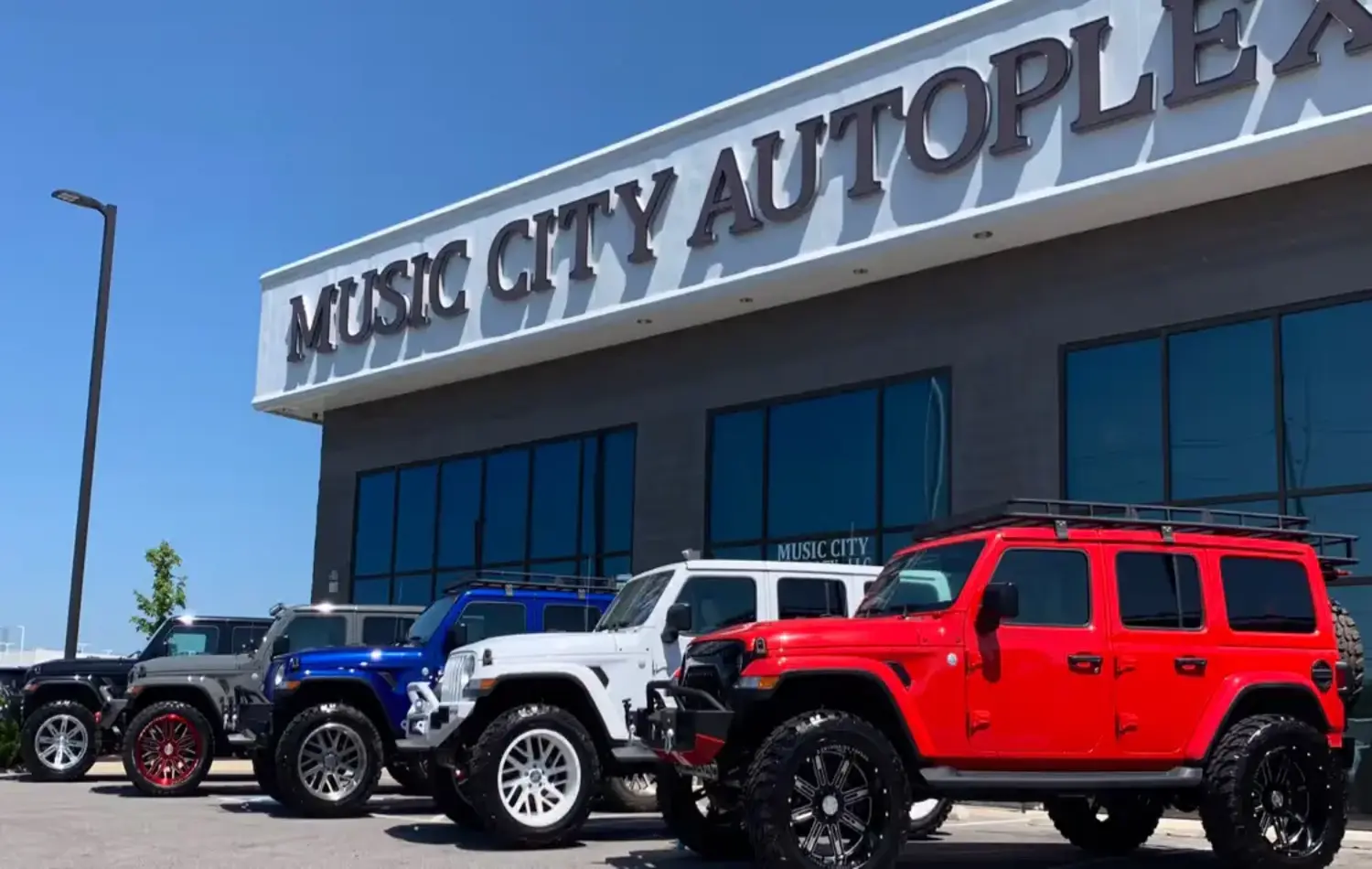
Mc Auto Direct (Music City Autoplex) buys cars directly by allowing you to submit your license plate or VIN for an online offer. If you’ve been putting off selling because the TN car sale documentation feels like a project, it doesn’t have to be.
The required paperwork to sell a car in TN is real, but it doesn’t have to land on your plate.
Key Takeaways
- Tennessee requires a signed title, bill of sale, and odometer disclosure for most private vehicle sales in 2026
- Nashville sellers must complete the Davidson County wheel tax affidavit (Form RV-F1320601) on sales over $5,000
- The TN STAR portal launched Q1 2026 allows digital title transfers, eliminating most county clerk visits for eligible sellers
- The 2026 TDOSHS emissions disclosure rule requires Nashville private sellers to document a vehicle’s emissions compliance status in writing
- Selling an EV or hybrid? Odometer exemptions and battery health report expectations both changed in 2026, and knowing the rules before listing saves negotiation time
- Browse vehicle categories and related topics or check out our latest auto blog posts for more Nashville-specific selling guidance
Frequently Asked Questions
Do I need a bill of sale to sell a car in Tennessee?
Tennessee does not legally require a bill of sale for private vehicle sales, but it protects both parties and is strongly recommended. In Davidson County specifically, the bill of sale supports the wheel tax affidavit process and establishes the sale price used for tax calculations.
What is the Davidson County wheel tax affidavit and do I need it?
Form RV-F1320601 is required for Nashville vehicle sales with a transaction price above $5,000 and must be filed with Davidson County at the time of transfer. Most general Tennessee guides skip this requirement entirely, which is why buyers sometimes encounter registration problems after the sale.
Can I transfer a car title online in Tennessee in 2026?
Yes. The TN STAR portal launched in Q1 2026 allows eligible sellers to complete digital title transfers without visiting the county clerk’s office. The portal supports clean title transfers only; salvage and rebuilt title transfers still require an in-person visit to the Davidson County Clerk.
What are the new emissions disclosure rules for Nashville sellers in 2026?
Under the 2026 TDOSHS rule, Nashville private sellers must disclose the vehicle’s emissions compliance status in writing as part of the sale documentation. The requirement applies to gasoline-powered vehicles model year 1996 and newer registered in Davidson County.
Do I need an odometer disclosure if I’m selling an electric vehicle in Tennessee?
Under 2026 rules, EVs with fewer than 50,000 miles at the time of sale are exempt from standard odometer disclosure requirements. Buyers can legally request a battery health report as a condition of purchase, and having one prepared in advance typically speeds up the transaction considerably.
Where can I explore more resources on selling a car in Nashville?
You can explore our website pages for a full range of guides on selling vehicles in the Nashville area, or check the latest auto blog posts for updated coverage of Tennessee title transfer rules, market pricing, and more.